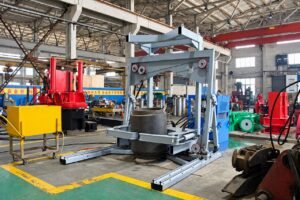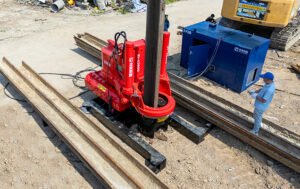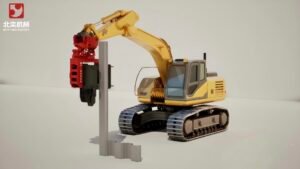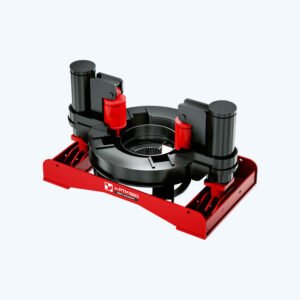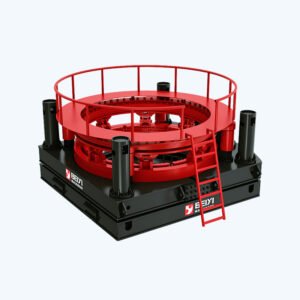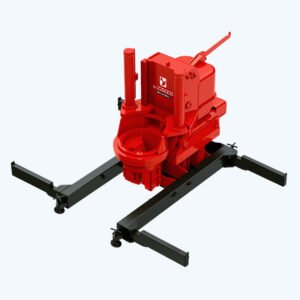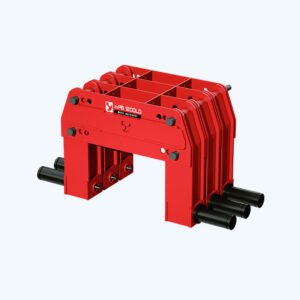

The pile breaker module is the core component used for pile breaking operations in foundation construction. Since it operates for long periods in complex jobsite environments, various faults can easily occur. Proper daily maintenance and timely troubleshooting help keep the equipment running stably and reduce construction delays. This article summarizes common maintenance problems of pile breaker modules and provides corresponding inspection and solution ideas to help operators handle issues quickly.
1. Hydraulic System Problems
The hydraulic system is the power core of the pile breaker module and is also one of the most easily overlooked parts during maintenance. During operation, common issues include rapid oil temperature rise, oil leakage from pipelines, and pressure fluctuations.
If the oil temperature rises too quickly, it is often related to excessive impurities in the hydraulic oil, debris accumulation on cooling components, or changes in the internal clearance of the oil pump. Cooling components should be cleaned regularly, and hydraulic oil and filters should be replaced according to the maintenance schedule. Different types of hydraulic oil should not be mixed.
Oil leakage in pipelines often occurs at joints and sealing positions. Long-term vibration may cause loose joints or aging seals. Daily inspection should include checking the tightness of joints and dealing with leakage in time. Worn seals should be replaced promptly.
If system pressure fluctuates, check the condition of the relief valve and the working status of the hydraulic pump. Clean impurities inside the valve components and adjust the system pressure to the proper operating range.
2. Module Connection and Structural Component Problems
The pile breaker module is composed of multiple units. Its connection points are subjected to vibration and load over a long period, so issues such as loose bolts and slight deformation of structural parts can occur.
If connection bolts are not checked before operation, component displacement may occur during work and affect breaking performance. Before each operation, all connection bolts should be checked one by one to ensure they are tightened properly. After the work is finished, they should be rechecked and any loose positions should be tightened in time.
Structural parts are often exposed to concrete residue for long periods and may suffer local deformation. If residues are not cleaned in time, component wear can become worse. After operation, debris on the module surface should be cleaned promptly to prevent buildup and corrosion. If deformation is found, it should be corrected in time to prevent the problem from expanding.
3. Sealing and Lubrication Problems
Seals and lubrication points are critical to ensuring smooth module operation. Poor maintenance may lead to sticking, oil leakage, and other problems.
Seals that work outdoors for long periods under sun exposure or low temperatures may harden or crack, causing oil to leak out or impurities to enter the system. The condition of seals should be checked regularly and they should be replaced according to the service cycle to avoid operating with damaged parts.
If hinge points and sliding parts are not lubricated in time, operating resistance will increase and component wear will accelerate. Lubrication should be applied regularly to all required points according to equipment requirements to ensure smooth movement and reduce internal friction.
4. Unsmooth or Delayed Operation
Some pile breaker modules may show slow or sticking movements during use, making it difficult to complete breaking work steadily. These problems are often related to hydraulic line blockage or component jamming.
Impurity buildup in the oil circuit can affect hydraulic oil flow and slow down response. The oil circuit should be cleaned regularly, and filters should be replaced to keep the oil clean.
During operation, concrete fragments and sand may enter the module and cause moving parts to jam. The working area should be cleaned before operation, and any debris stuck in the module gaps should be removed in time during work to prevent foreign matter from affecting component movement.
5. Daily Maintenance Points for Pile Breaker Modules
Daily maintenance is the key to reducing the frequency of failures. Good basic maintenance can also lower repair costs.
After each operation, clean concrete residue and dust from the module surface, hydraulic pipelines, and connection parts. Check the hydraulic oil level regularly, and when the level is low, add hydraulic oil of the same specification to avoid affecting system operation.
According to equipment operating hours, replace hydraulic oil, filters, seals, and lubricants regularly. When the module is stored for a long time, place it in a dry and ventilated area and cover it with protective materials to prevent dust and rain damage. The equipment should also be started periodically so that components can run briefly and avoid sticking caused by long-term inactivity.
6. Precautions for Module Repair
When repairing a pile breaker module, first stop the equipment and release hydraulic system pressure to prevent oil spray or sudden component movement during maintenance.
When disassembling parts, record the installation order and positions for easier reassembly and to avoid incorrect or missing installation. When replacing parts, choose components that match the equipment to ensure tight fit and stable performance after installation.
After repairs are completed, perform a no-load test and observe the movement of the module as well as the condition of the hydraulic, and electrical systems. Only put the equipment back into operation after confirming there are no abnormalities.
The stable operation of a pile breaker module depends on standardized maintenance and servicing. Operators should be familiar with common fault inspection methods, follow daily maintenance routines, and solve small issues in time before they develop into major damage. Proper module maintenance not only helps ensure construction progress, but also extends service life and reduces equipment costs for the project.