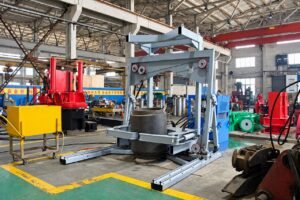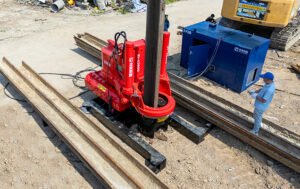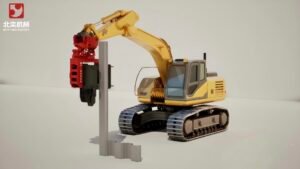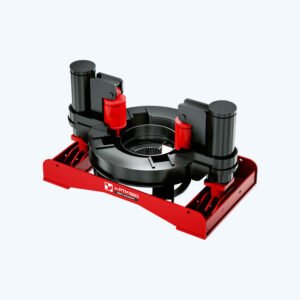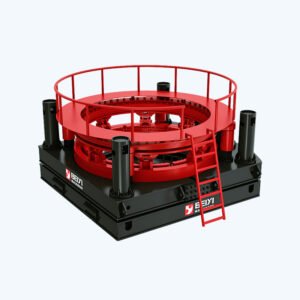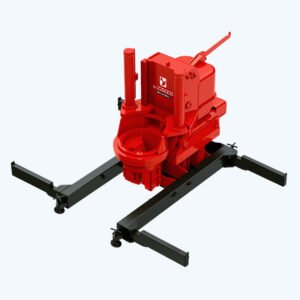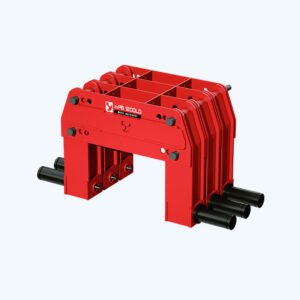
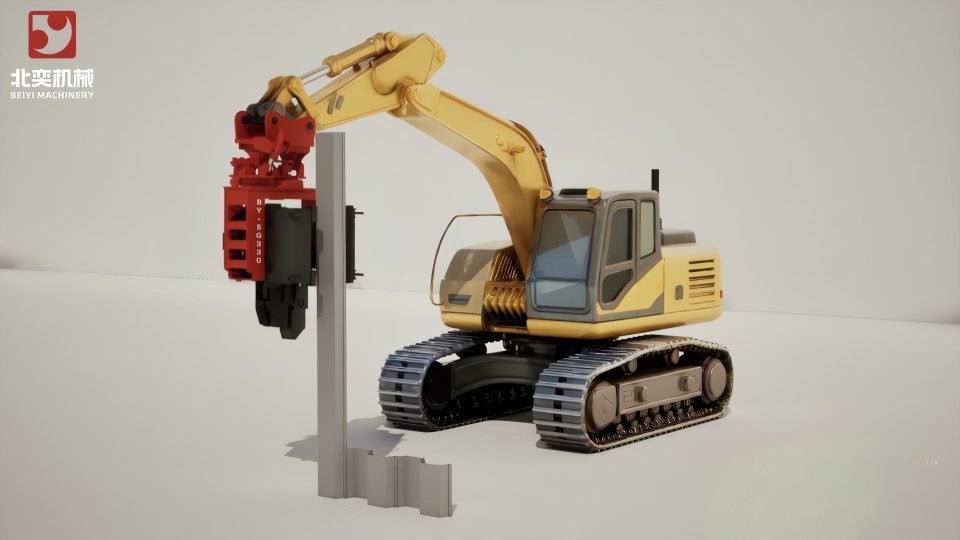
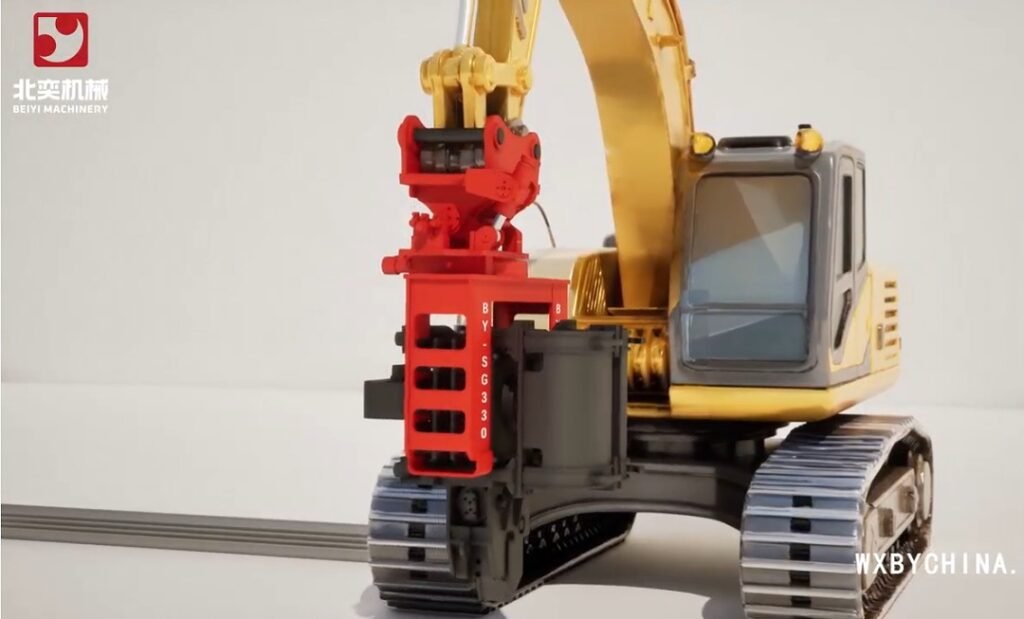
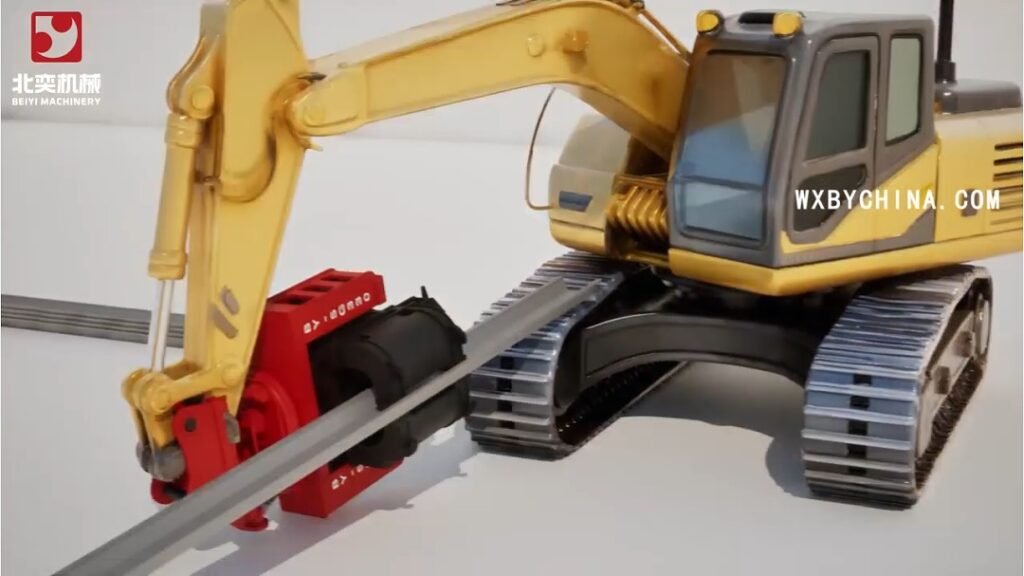
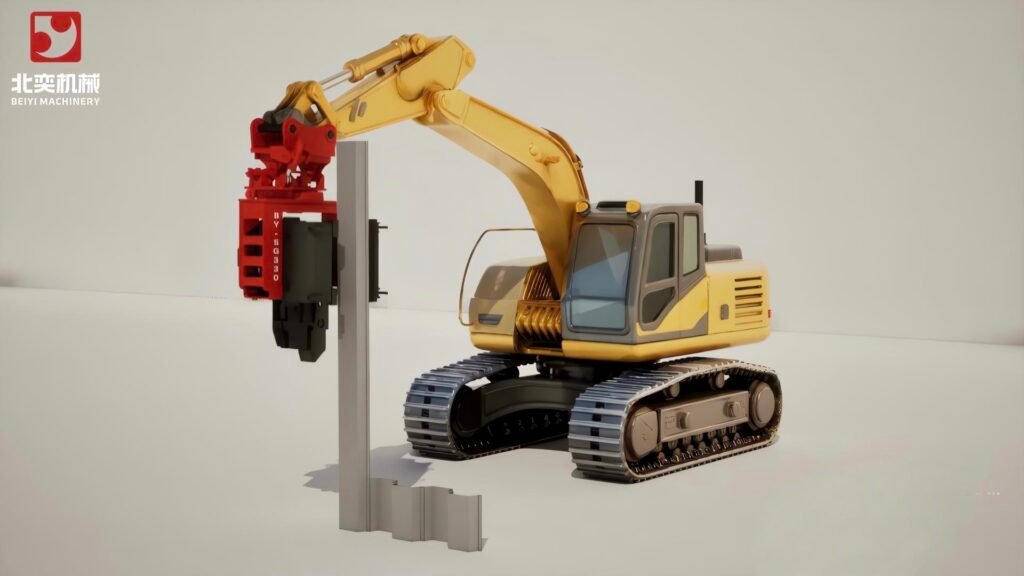
In foundation construction, the side grip pile driver is widely used in various piling projects thanks to its flexible working performance, especially in narrow spaces, restricted job sites, and projects requiring efficient pile driving or pile extraction. As an important piling attachment, its stable operation directly affects construction efficiency, project progress, and operating costs.
Scientific maintenance is the key to extending the service life of a side grip vibratory hammer, reducing unexpected downtime, and keeping the equipment in good working condition. This article introduces a complete maintenance guide for the side grip vibro hammer, covering daily inspection, regular maintenance, key component care, special working conditions, and long-term storage.
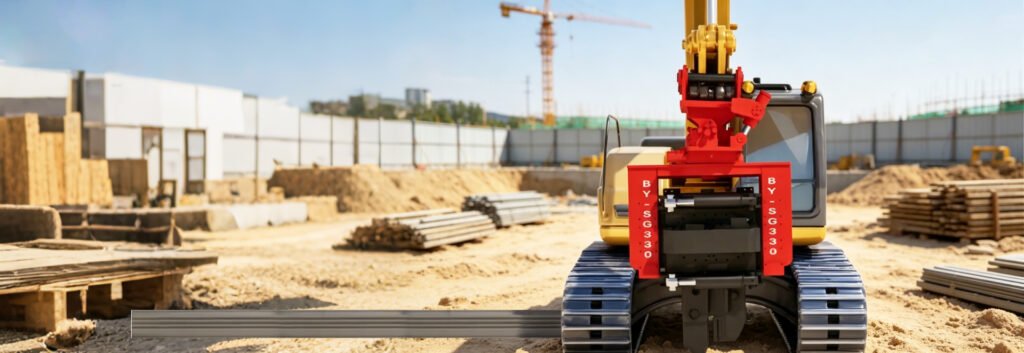
1. Daily Maintenance: Building the Foundation for Stable Operation
Daily maintenance of a side grip pile driver should be carried out before, during, and after operation. Although these checks are simple, they can help prevent potential failures and ensure long-term stable performance.
1.1 Pre-Operation Inspection: Prevent Hidden Problems Before Starting
Before starting the equipment, operators should confirm that all main components are in normal condition. First, check the overall appearance of the machine. Inspect the body for obvious deformation, cracks, or damage. Check whether bolts, pins, and connection points are loose. If any looseness is found, tighten them immediately to prevent components from falling off during operation.
Next, check the hydraulic system of the side grip vibratory hammer. Inspect hydraulic hoses, pipe joints, and connectors for oil leakage. Check whether the hydraulic oil level is within the required range and whether the oil is clean. If the hydraulic oil becomes cloudy, emulsified, or contaminated, it should be treated or replaced in time.
1.2 Monitoring During Operation: Detect Abnormal Conditions Early
During operation, the operator should continuously monitor the working condition of the side grip vibro hammer. Pay attention to any abnormal noise, vibration, odor, or unstable movement from the engine, hydraulic system, or working device.
Operators should also observe the instrument readings, including engine speed, water temperature, oil temperature, oil pressure, and hydraulic pressure. If oil leakage, water leakage, air leakage, abnormal noise, or delayed movement is found, the machine should be stopped immediately for inspection. The problem should be solved before restarting operation.
In addition, the load should be controlled according to actual site conditions. Avoid long-term overload operation, as it can increase wear on key components. Under high-temperature conditions, working time should be adjusted properly to prevent overheating.
1.3 After-Operation Maintenance: Prepare for the Next Working Day
After daily operation, the side grip pile driver should be cleaned and maintained. Remove mud, dust, oil stains, and other debris from the machine body. Pay special attention to cleaning the radiator, air filter, and other heat dissipation parts to ensure good cooling performance.
Park the equipment on flat and solid ground. Apply the parking brake and place the working attachment on the ground to avoid long-term stress on hydraulic cylinders and structural parts.
Fuel, engine oil, hydraulic oil, and coolant should be checked and refilled if necessary. Lubricating oil or grease should be added to all lubrication points, especially areas with heavy wear during operation. It is also recommended to record the daily working condition, operating hours, and any problems found, so that future maintenance can be better planned.
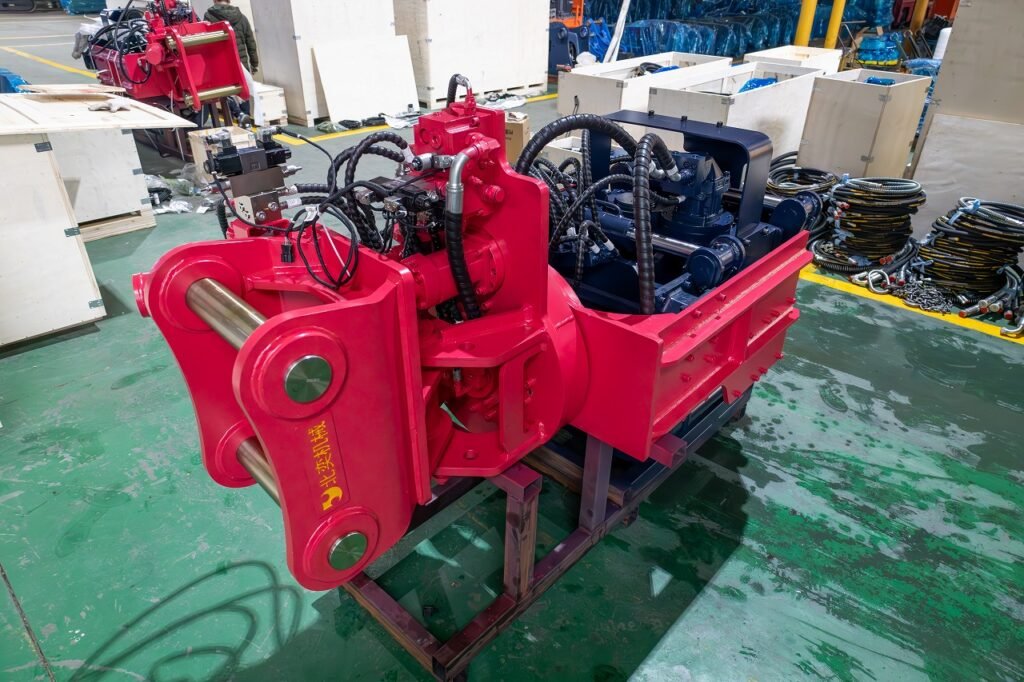
2. Regular Maintenance: The Key to Extending Service Life
In addition to daily maintenance, a regular maintenance plan should be made according to the working hours of the side grip vibratory hammer. Periodic inspection and maintenance help detect worn parts early, prevent major failures, and extend equipment service life.
Regular maintenance can be divided into the running-in period, short-term maintenance, mid-term maintenance, and long-term maintenance.
2.1 Running-In Period Maintenance: The First 100 Working Hours
For a new side grip pile driver, the first 100 working hours are the running-in period. Maintenance during this stage has a direct impact on the long-term performance and service life of the equipment.
During the running-in period, avoid heavy-load operation. The working intensity and continuous operation time should be strictly controlled.
After 50 working hours, check the cleanliness of the hydraulic oil and clean the inlet oil filter. If rubber gaskets, sealing rings, or other parts are damaged, they should be replaced in time.
After the running-in period, carry out a complete inspection of the machine. Tighten all connection bolts, replace hydraulic oil and filters if required, and make sure the side grip vibro hammer enters normal operation in good condition.
2.2 Short-Term Maintenance: Every 200–300 Working Hours
Every 200–300 working hours, the equipment should receive a complete inspection and maintenance.
The hydraulic system should be checked first. Clean or replace the hydraulic oil filter and inlet filter. Inspect hydraulic hoses for aging, cracks, damage, or deformation. Replace worn sealing rings if necessary.
The power system should also be maintained. Clean the air filter and diesel filter. Check the tension of the engine belt and adjust it in time if it is too loose or too tight.
At the same time, inspect the structural parts of the side grip pile driver, including the pile frame, guide mechanism, clamp structure, and welding areas. Check for deformation, cracks, or loose bolts. Tighten all major load-bearing bolts.
Steel wire ropes, if used, should also be inspected for broken wires, rust, and excessive wear. If the wear reaches the replacement standard, the wire rope should be replaced immediately. All lubrication points should be checked and filled with grease to ensure sufficient lubrication.
2.3 Mid-Term Maintenance: Every 400–500 Working Hours
Every 400–500 working hours, the side grip vibratory hammer requires deeper maintenance.
The hydraulic oil tank should be cleaned thoroughly. Remove the drain plug and drain the hydraulic oil from the tank. Clean the filter screen inside the filling filter. Fill the tank with hydraulic oil to about half capacity, then drain it again to remove impurities. After cleaning the filter screen again, reinstall it and refill the tank with qualified hydraulic oil.
Check the engine valve clearance and fuel injector condition. Clean dust and deposits in the air intake system.
Inspect key hydraulic components, including the hydraulic pump, hydraulic motor, hydraulic cylinders, and control valves. Check whether seals are aging or leaking. Replace damaged seals or worn parts in time.
Structural parts should also be inspected carefully. Worn areas should be repaired, and anti-corrosion treatment should be applied where needed. Rust-proof paint can be added to exposed metal surfaces to improve durability.
2.4 Long-Term Maintenance: Every 800 Working Hours and Above
Every 800 working hours, the complete hydraulic oil of the side grip vibro hammer should be replaced. It is recommended to replace the hydraulic oil when the machine is warm, as warm oil flows more easily and carries away more contaminants.
Before draining the oil, place the working device on the ground and stop the engine. After draining the hydraulic oil, carefully clean the inlet oil filter, air filter element, pipelines, and all connection surfaces.
Engine oil and the engine oil filter should also be replaced. If the engine is equipped with a turbocharger, its working condition should be checked. Any abnormal noise, oil leakage, or insufficient pressure should be handled immediately.
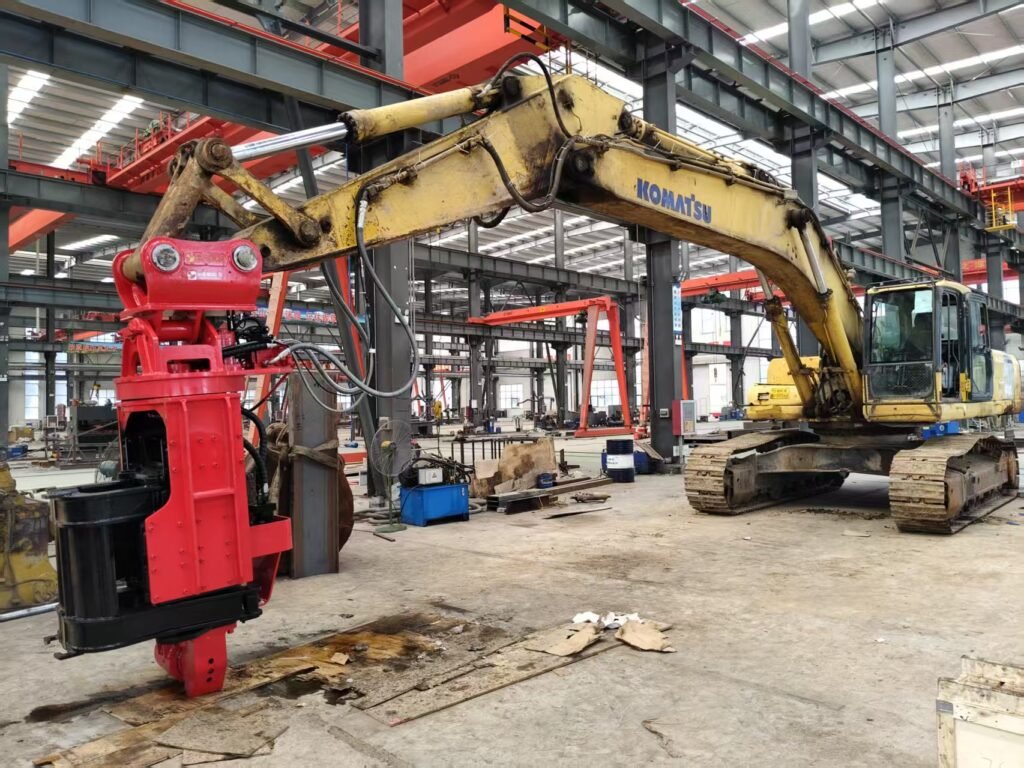
3. Key Component Maintenance: Focus on Easily Worn Parts
The core components of a side grip pile driver directly determine its working performance. Because these components often work under strong vibration, high pressure, and complex site conditions, they require targeted maintenance.
3.1 Hydraulic System Maintenance
The hydraulic system is the power core of a side grip vibratory hammer. It should be maintained carefully and regularly.
Check the hydraulic oil level and oil quality on schedule. Use hydraulic oil that meets the equipment requirements. Do not mix different types or brands of hydraulic oil, as this may affect lubrication, sealing, and hydraulic performance.
Hydraulic hoses should be checked regularly to avoid aging, damage, bending, or cracking. Pipe joints should be tightened properly to prevent leakage.
Hydraulic filters should be replaced according to the maintenance schedule. A blocked filter can cause hydraulic oil contamination, unstable pressure, slow movement, and damage to hydraulic components.
If abnormal hydraulic pressure, slow action, weak clamping force, or unstable vibration is found, the cause should be checked in time. Possible problems include valve spool blockage, internal leakage, worn seals, or damaged hydraulic components.
3.2 Power System Maintenance
The engine is the “heart” of the side grip pile driver. Maintenance of the power system focuses on fuel, engine oil, cooling water, and air intake cleanliness.
Use qualified diesel fuel and clean the fuel tank regularly to remove impurities and water. Engine oil should be replaced according to the maintenance cycle. When replacing engine oil, clean or replace the oil filter to reduce internal engine wear.
The cooling system should also be checked regularly. Clean the radiator to ensure good heat dissipation and prevent engine overheating. Check the fan, water pump, coolant level, and connecting hoses.
Engine belts should be inspected for correct tension. Aging or damaged belts should be replaced in time. Engine mounting bolts and other connection bolts should also be checked and tightened to prevent loosening during vibration operation.
3.3 Working Attachment Maintenance
The working attachment of a side grip vibro hammer, including the clamp, vibration box, hydraulic cylinder, and other contact parts, works directly with piles and soil conditions. These parts usually suffer more wear and require special attention.
Check the vibration box, bearings, clamp body, cylinder, and connection pins regularly. Replace parts that exceed the wear limit.
For the clamp device, inspect the wear of the clamp jaws and check the sealing condition of the hydraulic cylinders. The clamping force should be adjusted properly to ensure the pile is held firmly during driving or extraction.
If steel wire ropes are used in the equipment, they should be lubricated regularly. Graphite-based grease is recommended in some applications, because ordinary grease may absorb sand and dust, which can accelerate wear. Broken wires, corrosion, or serious wear should be checked regularly, and wire ropes that reach the replacement standard must be replaced immediately.
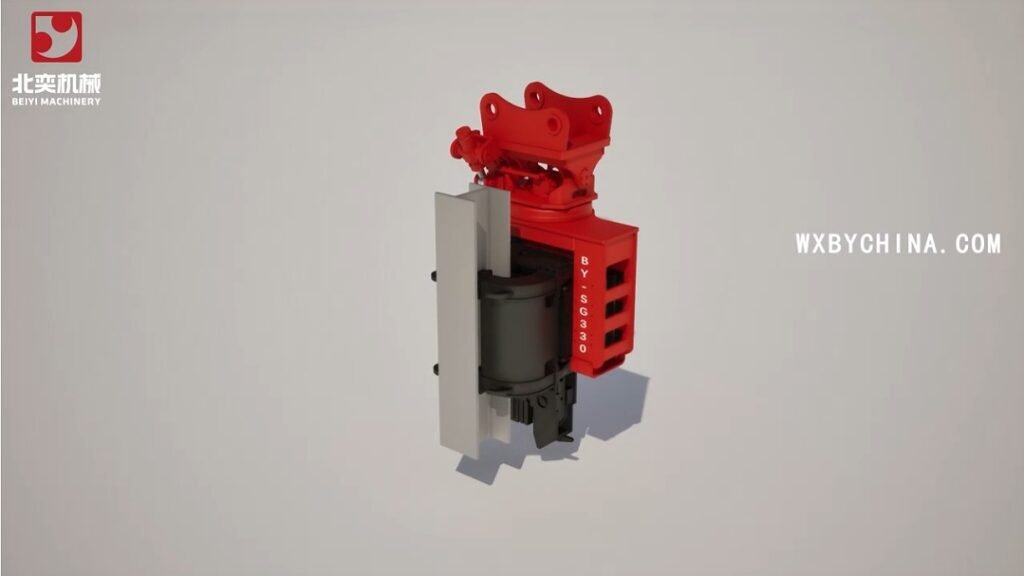
4. Maintenance Under Different Working Conditions and Long-Term Storage
Different job site conditions can affect the maintenance requirements of a side grip pile driver. Rainy seasons, high temperatures, low temperatures, and long-term storage all require additional care.
4.1 Maintenance in Different Working Conditions
Rainy Season Maintenance
When working in rainy or muddy conditions, clean the machine body after operation. Remove mud and dirt from the equipment. Electrical boxes and electrical components should be dried with compressed air to prevent moisture, short circuits, and corrosion.
Exposed metal parts should be protected with anti-rust treatment. This is especially important for equipment working in coastal areas, wet soil, or marine construction environments.
High-Temperature Maintenance
In hot weather, the cooling system should be checked more frequently. Make sure the fan, water pump, radiator, and coolant system are working properly.
Clean the radiator regularly to prevent dust blockage. Pay attention to the temperature of hydraulic oil and engine oil. If the oil temperature is too high for a long time, the oil may age faster and lose performance.
Under high-temperature conditions, the hydraulic oil replacement cycle may need to be shortened. Oil quality should be checked regularly, and deteriorated oil should be replaced in time.
Low-Temperature Maintenance
In cold weather, the diesel tank may need to be preheated before starting. Low-temperature hydraulic oil and lubricating oil should be used according to the working environment.
After operation, the pile or drill rod should be lifted out of the ground to prevent frozen soil from increasing the starting torque. For the crawler tension cylinder, low-temperature hydraulic oil or anti-freezing hydraulic oil should be used when necessary.
4.2 Long-Term Storage Maintenance
If the side grip vibratory hammer will not be used for a long time, proper storage maintenance is necessary to prevent rust, aging, and component damage.
First, clean the whole machine thoroughly. Remove oil stains, mud, and dust from the equipment. Cover the machine with a protective cover to prevent dust, rain, and moisture from entering.
If the equipment includes a hydraulic breaker or similar hydraulic attachment, release the nitrogen gas according to the manufacturer’s instructions. Protect all oil ports and connectors to prevent dirt from entering.
Remove the battery and store it in a dry, ventilated place. If the machine is stored for a long period, charge the battery once a month to avoid battery damage caused by power loss.
If the storage time exceeds six months, the machine should be started and operated without load for about 15 minutes when conditions allow. At the same time, add lubricating oil or grease to related parts to prevent sticking, rusting, or internal component seizure.
5. Important Maintenance Notes
- Maintenance should strictly follow the operation manual and maintenance instructions provided by the equipment manufacturer. The maintenance plan can be adjusted according to actual working conditions and operating intensity.
- Before maintenance, stop the machine, shut off the power, and make sure the equipment is in a safe and stable condition. Never perform maintenance while the equipment is operating.
- When replacing spare parts, use parts that match the equipment model. Original or high-quality compatible parts are recommended to avoid failures caused by poor fit or low-quality materials.
- Establish a detailed maintenance record for each side grip pile driver. The record should include maintenance date, maintenance items, replaced parts, working hours, problems found, and repair results.
- Operators should receive professional training and understand the structure, operation method, and maintenance requirements of the side grip vibro hammer. Proper operation and timely maintenance can greatly reduce equipment failure.
Maintenance of a side grip pile driver is a long-term and systematic task. There is no shortcut to keeping the equipment in good condition. Only by carrying out daily inspection, regular maintenance, and targeted care for key components can operators reduce equipment failure, extend service life, and lower construction costs.
For construction companies, a well-maintained side grip vibratory hammer means higher working efficiency, fewer unexpected shutdowns, and more stable project progress. By establishing a complete maintenance system and continuously improving maintenance practices, the side grip vibro hammer can remain reliable in different piling projects and provide strong support for foundation construction.