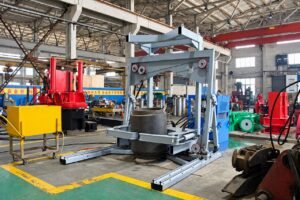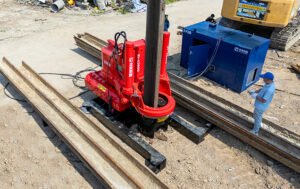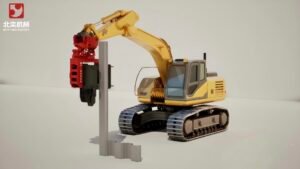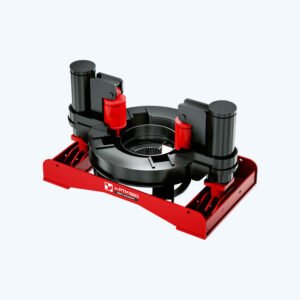
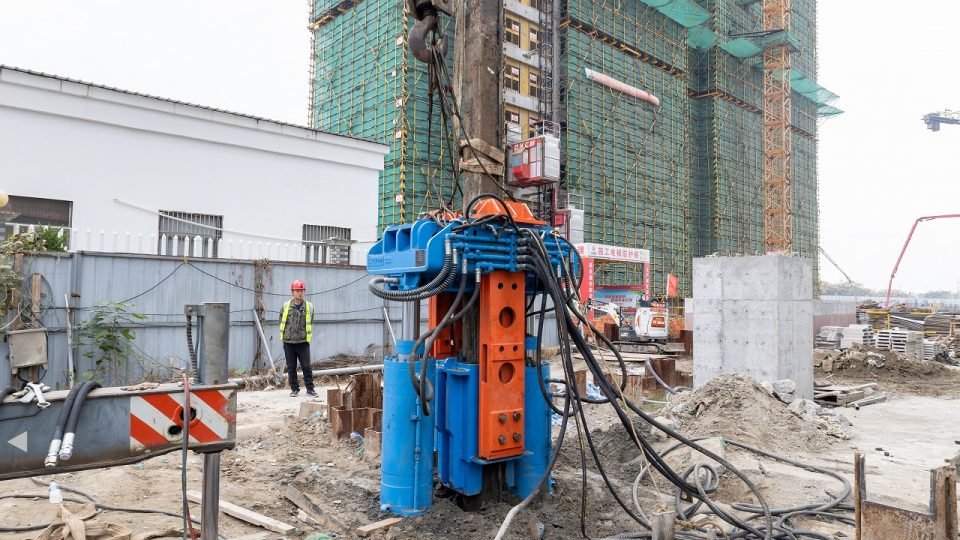
As a high-frequency integrated attachment used in engineering construction, the excavator hydraulic pile extractor relies on the coordinated operation of the hydraulic system and vibration mechanism to adapt to pile foundation work in multiple scenarios. Its operating condition directly affects construction progress and working performance. Daily maintenance should focus on key parts such as core components, the hydraulic system, and the vibration structure. Through standardized operation and regular inspection, component wear can be reduced, long-term stable operation can be maintained, and reliable support can be provided for construction work.
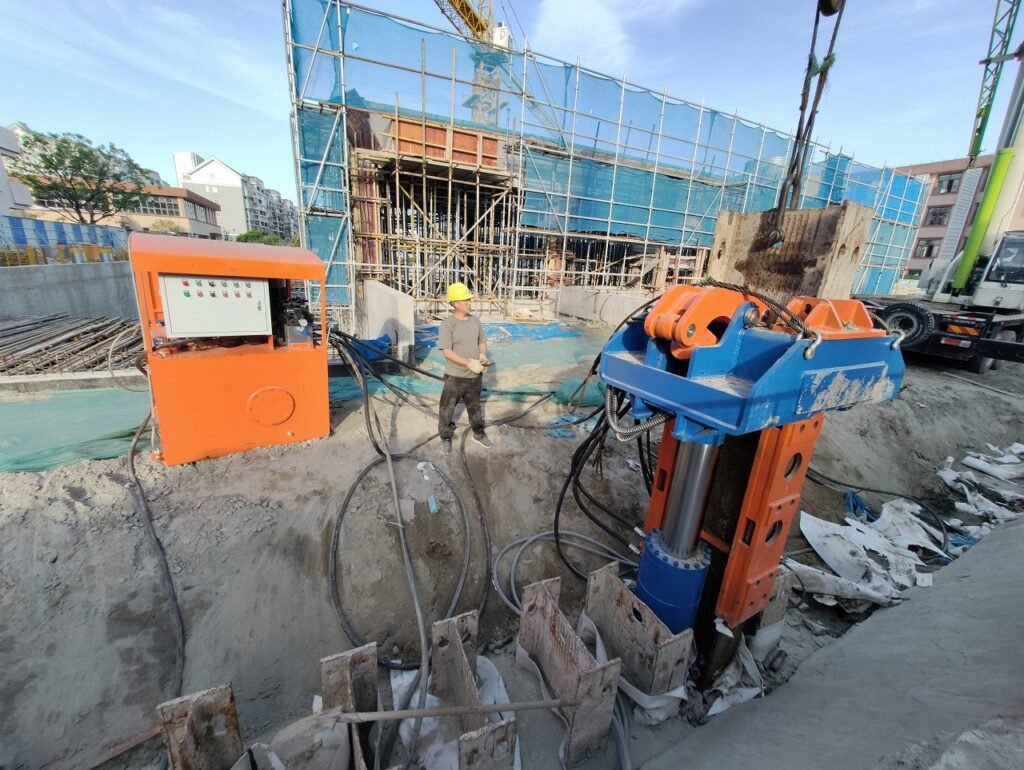
Hydraulic System Maintenance: Building a Reliable Power Transmission Foundation
The hydraulic system is the power core of the excavator hydraulic pile extractor. It includes key components such as the hydraulic motor, hoses, cylinders, and hydraulic oil. The quality of maintenance directly determines power transmission efficiency and operating stability, so special attention should be given to oil condition and sealing performance.
Regular inspection and replacement of hydraulic oil is basic maintenance work. Before operation, check whether the oil level is within the standard range and make sure the oil is sufficient, clean, and free from obvious sediment or cloudiness. If the oil becomes darker or contains impurities, it should be replaced promptly to avoid wear on internal parts of the hydraulic motor. At the same time, the correct oil grade should be selected according to the ambient temperature to ensure both low-temperature fluidity and high-temperature stability. When changing the oil, the oil tank and filters should also be cleaned to remove internal contaminants and prevent blockage in the oil circuit.
Inspection of hoses and seals should not be overlooked. After daily operation, check all hydraulic pipe connections and joints for leakage, and inspect hose surfaces for signs of aging, cracking, or abrasion. Damaged parts should be replaced in time to prevent high-pressure oil leakage from affecting performance and to stop contaminants from entering the hydraulic system. Seals are wearable parts and should be checked regularly for elasticity and sealing effectiveness. Especially after vibration work, seals may become loose due to continuous vibration, so they should be tightened or replaced in time to maintain stable system pressure.
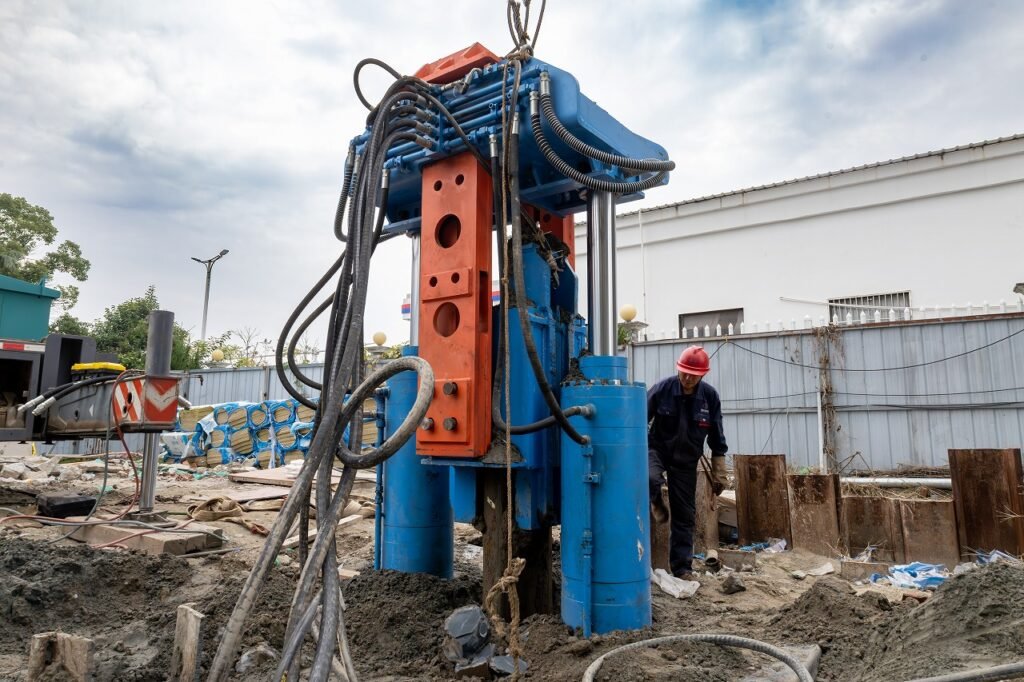
Vibration Component Maintenance: Ensuring Stable Working Performance
The vibration assembly is the key part that enables the hydraulic pile extractor to reduce resistance and pull piles efficiently. It mainly includes dual eccentric shafts, a gearbox, and shock-absorbing rubber blocks. Because of its vibration characteristics, special attention should be paid to lubrication, fastening, and wear inspection.
Lubrication of the dual eccentric shafts and gearbox should be carried out regularly. Lubricating oil in the gearbox needs to be replenished and replaced at the proper intervals to ensure sufficient lubrication of the gears and eccentric shafts during operation, reducing friction loss between metal parts. Proper lubrication also helps carry away heat generated during operation and prevents deformation caused by excessive temperature. Before operation, check the gearbox oil level. After operation, clean dust and debris from the gearbox surface and check for any leakage. Any abnormal condition should be inspected and repaired in time.
The condition of the shock-absorbing rubber blocks and fastening points should also be checked. Since the rubber blocks are subjected to continuous vibration and impact, they may age, crack, or deform over time. Their appearance should be inspected regularly, and damaged parts should be replaced promptly to prevent vibration energy from being directly transferred to the excavator body, which may affect overall stability. At the same time, check the bolts and nuts at the connection base between the pile extractor and the excavator to ensure they are securely fastened and to avoid failures caused by loosening during operation.
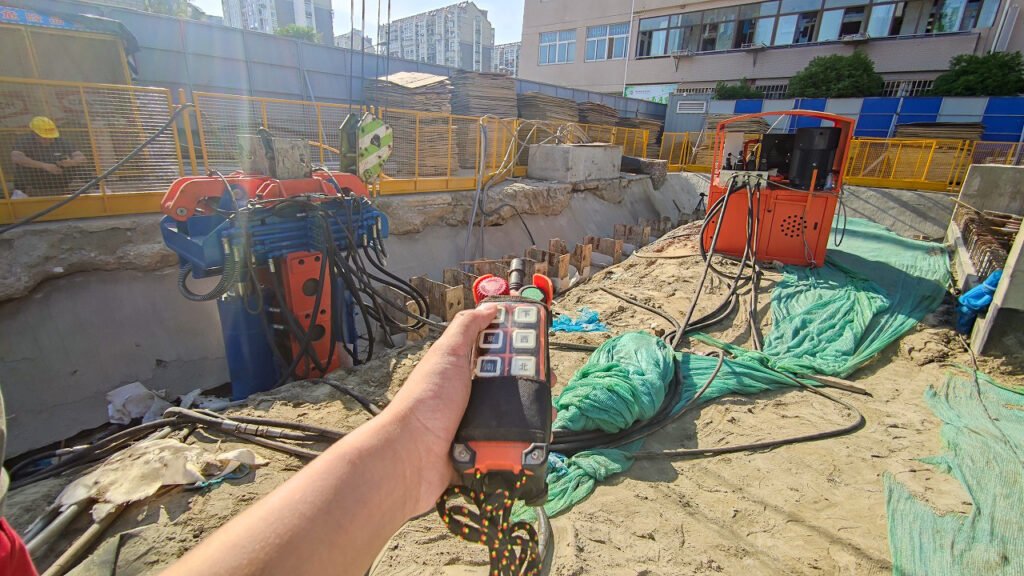
Clamping Mechanism Maintenance: Balancing Adaptability and Holding Strength
The clamping mechanism comes into direct contact with the pile body and is responsible for gripping and extracting force. It is prone to wear and deformation, so maintenance should focus on the clamp, cylinder, and linkage parts.
The clamp should be cleaned regularly to remove mud, rust, and other debris from the surface. The wear condition of the alloy material should be checked. If severe wear enlarges the clamping gap, the clamp should be repaired or replaced in time to avoid pile slippage or deviation during operation. The flexibility of the clamp adjustment mechanism should also be checked to ensure smooth adjustment according to different pile sizes. Lubricating grease can be applied to the linkage parts to reduce adjustment resistance.
As the power unit of the clamping mechanism, the double pressure-holding cylinder should be checked for scratches or rust on the piston rod surface, and its sealing performance should be inspected to prevent oil leakage from affecting clamping force. After operation, the clamp should be returned to its original position to avoid leaving the cylinder under load for a long time, which helps extend component service life.
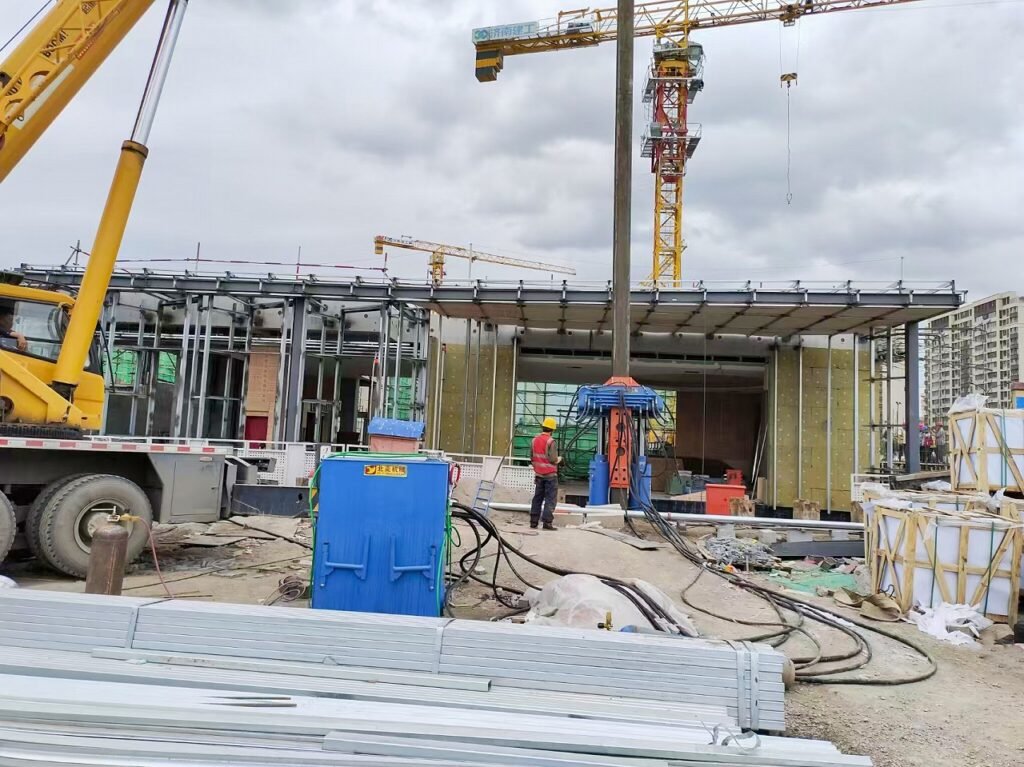
Daily Operating Maintenance: Reducing Human-Caused Wear
In addition to regular targeted maintenance, standardized operation during daily work can greatly reduce equipment wear. Before operation, check the overall condition of the equipment and confirm that all parts are properly connected and there are no abnormal noises before starting work. During operation, avoid gripping piles that are outside the suitable size range, as this may overload and damage the clamp and cylinder. After operation, clean debris and mud from the equipment surface, especially around the vibration components and hydraulic pipe joints, to keep the machine clean and make future maintenance easier.
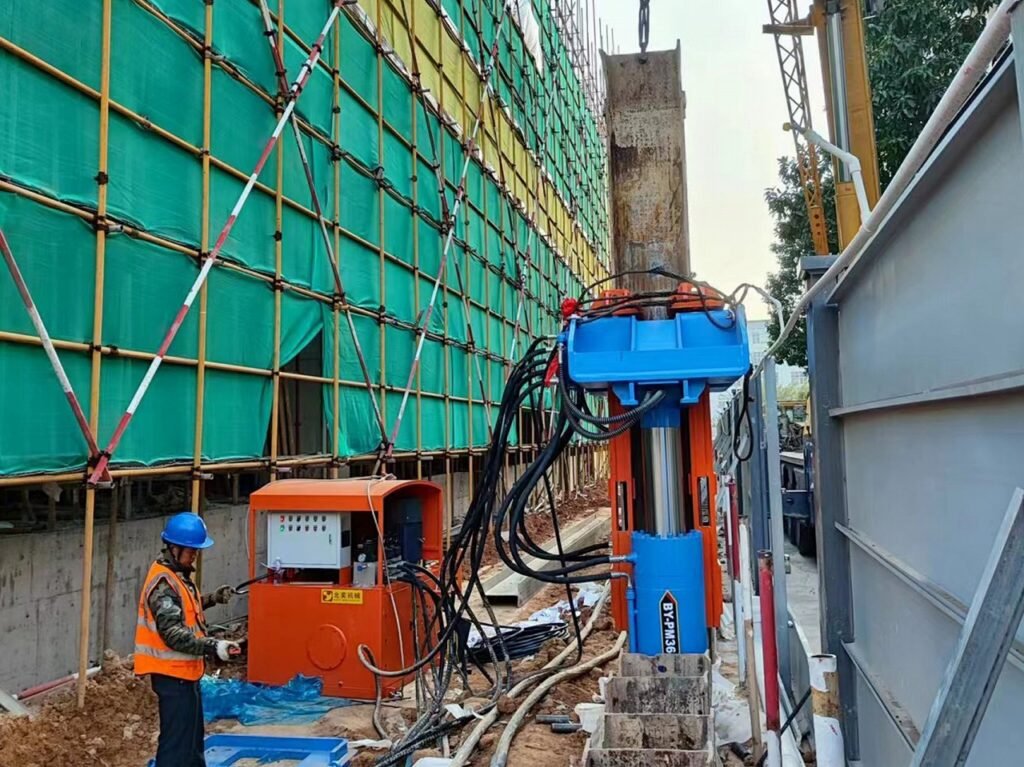
Maintenance Supports Long-Term Efficient Operation
The core of daily maintenance for excavator H-Beam Pile Extractors is to prevent potential faults in advance, reduce component wear, and extend equipment service life and operating cycles through routine inspection and standardized care. Whether it is the hydraulic system, vibration components, or clamping mechanism, maintenance of every part is essential. Proper maintenance not only reduces repair costs, but also ensures continuous construction progress. As piling machinery continues to develop, following a scientific maintenance process is the key to keeping hydraulic pile extractors stable, adaptable, and ready for various foundation construction applications.