In pipeline connections, fluid transmission, and pneumatic or hydraulic systems, the quick coupler is a widely used connecting component. It allows pipelines and equipment to be connected or disconnected quickly without the need for complex tools.
Although many people encounter quick couplers in daily work, few truly understand how they function. This article explains the definition, core functions, working principles, and internal structure of quick couplers to help you understand them clearly.

1. What Is a Quick Coupler? Definition and Core Function
A quick coupler is a connector used in fluid or gas transmission systems. It is commonly applied in industries such as hydraulics, pneumatics, plumbing systems, engineering machinery, and automotive pipelines.
The primary function of a quick coupler is to simplify the connection process. Compared with traditional connection methods such as threaded joints, welding, or flanges, quick couplers allow pipelines to be connected or disconnected quickly and efficiently.
Unlike conventional connectors that require repeated tightening or sealing operations, a quick coupler can usually be operated by a single person without tools. This makes it especially suitable for systems where pipelines need to be frequently assembled or removed.
As a result, quick couplers have become an essential component in both industrial and civilian piping systems.
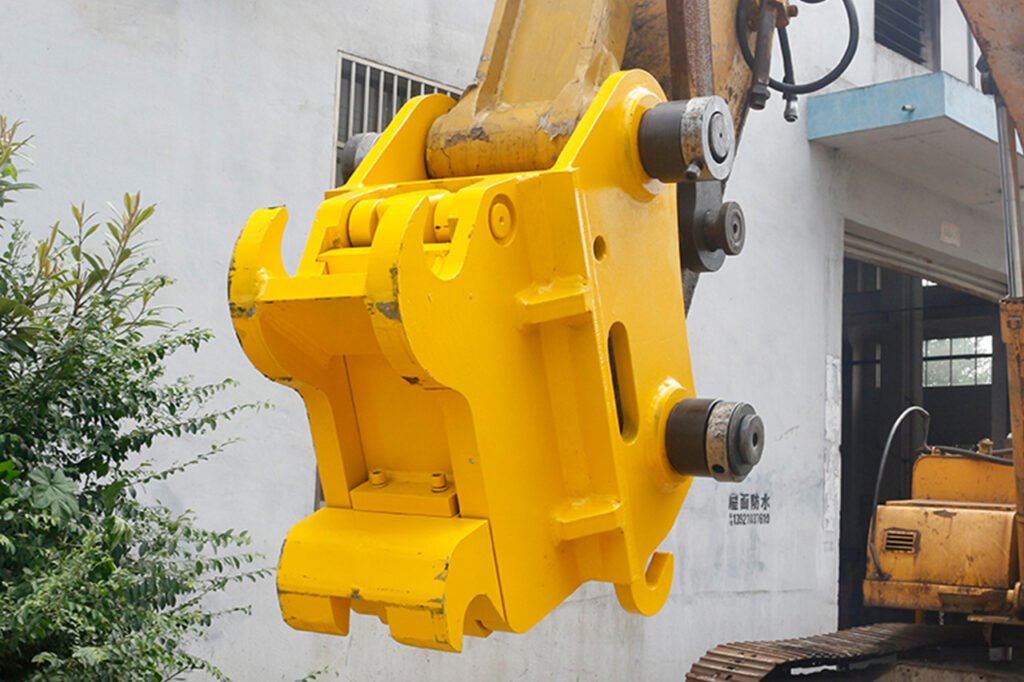
Working Principle of a Quick Coupler
The operation of a quick coupler revolves around two states: connection (flow enabled) and disconnection (flow blocked). These states are achieved through coordinated movement of internal components.
Connection State
When the male plug and female socket are inserted together, the internal valve core moves under applied force.
This movement opens the previously closed flow channel, allowing fluid or gas to pass through the connector and form a complete transmission path.
Once fully connected, the internal components maintain stable contact to ensure continuous and reliable flow.
Disconnection State
When the connector needs to be separated, an external force pulls the male plug and female socket apart.
At this moment, the internal valve core loses the pushing force and returns to its original position under the action of the reset mechanism.
This automatically closes the channel and prevents fluid leakage from the pipeline. Both ends remain sealed after separation, which also helps prevent external contaminants from entering the system.
The entire process requires only a simple plug-in or pull-out action, which is the main reason quick couplers are widely used.
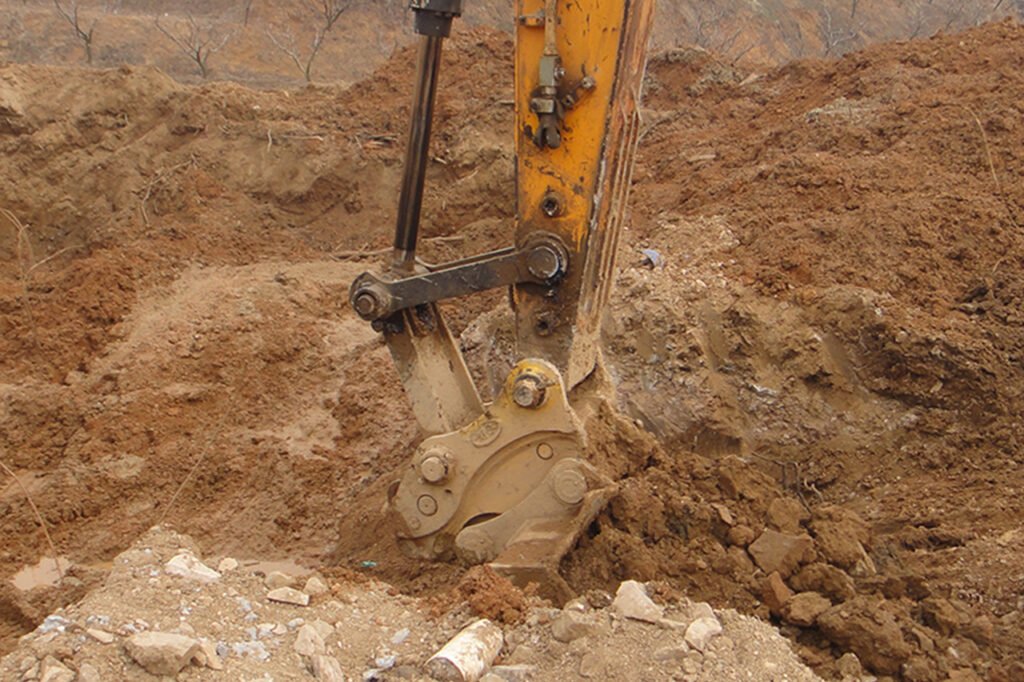
Internal Structure of a Quick Coupler
The structure of a quick coupler is relatively simple and well organized. While designs may vary slightly between models, the main components are generally similar.
Main Body Housing
The outer housing serves as the structural frame of the quick coupler. It protects internal components and connects the pipeline.
Materials are typically metal or engineering plastics, depending on the application requirements.
Male and Female Connectors
These are the two main connecting parts of the coupler.
One side is the male plug, and the other is the female socket. When inserted together, they form the primary connection interface.
Valve Core Assembly
The valve core is the key component controlling the flow of fluid or gas.
During connection, it moves to open the channel. During separation, it returns to the closed position to stop the flow.
Reset Mechanism
The reset mechanism is usually located around the valve core.
Its main function is to push the valve core back to its original position after disconnection, ensuring the pipeline remains sealed.
Sealing Components
Sealing elements are installed at key connection points such as interfaces and valve assemblies.
They fill structural gaps and prevent leakage, ensuring stable transmission of fluids or gases.
Locking Mechanism
Some quick couplers include a locking device that automatically secures the male and female connectors after insertion.
This prevents accidental loosening or separation during operation.
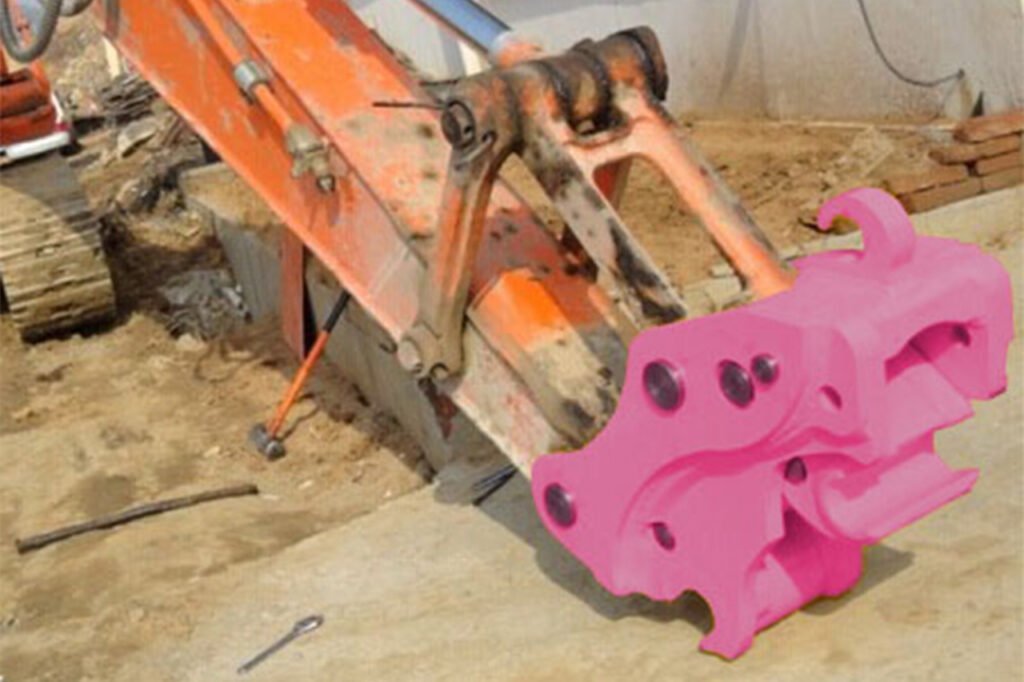
Applications and Classification of Quick Couplers
Based on structure and operating principles, quick couplers can be used in a wide range of applications.
Common classifications include:
By Transmission Medium
- Water quick couplers for liquid pipelines
- Pneumatic quick couplers for gas systems
- Hydraulic quick couplers for oil transmission
By Application Industry
- Industrial equipment quick couplers
- Automotive pipeline connectors
- Plumbing and household quick connectors
- Engineering machinery couplers
By Connection Form
- Straight-through quick couplers
- Elbow quick couplers
- Multi-port quick couplers
These different types allow quick couplers to adapt to various pipeline layouts and operating environments.
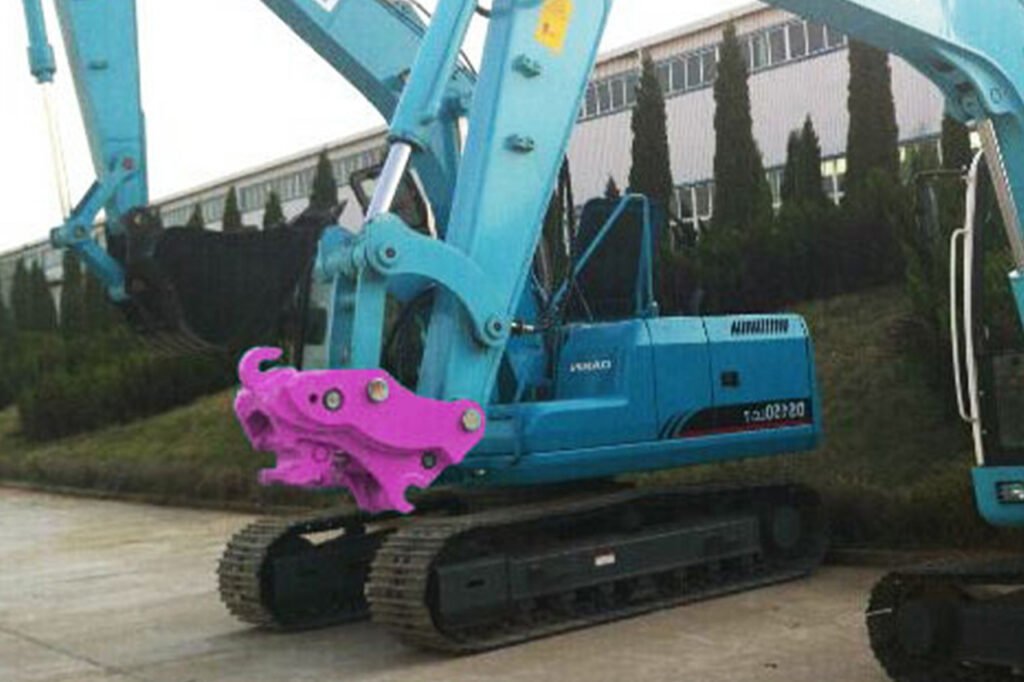
A quick coupler is a connector designed to enable fast connection and disconnection of pipelines through a simple plug-in mechanism.
With components such as valve cores, reset mechanisms, sealing parts, and locking systems, it allows pipelines to connect efficiently while maintaining reliable sealing performance.
Because of its simple structure, convenient operation, and wide compatibility, the quick coupler has become a commonly used component in industrial production, equipment maintenance, and household plumbing systems.
Understanding its structure and working principle helps users select the right model and operate it correctly, reducing potential errors during installation and maintenance.