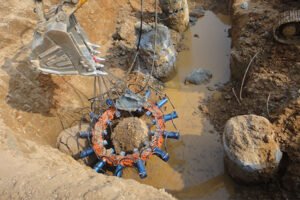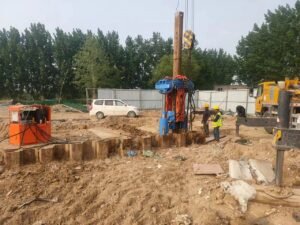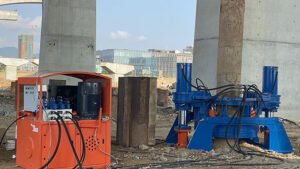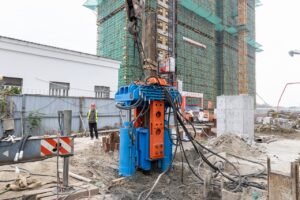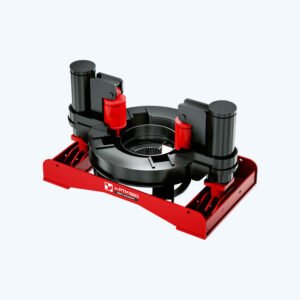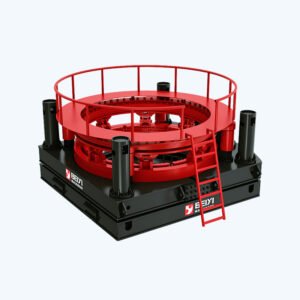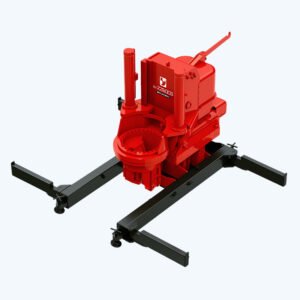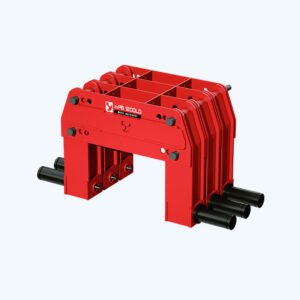
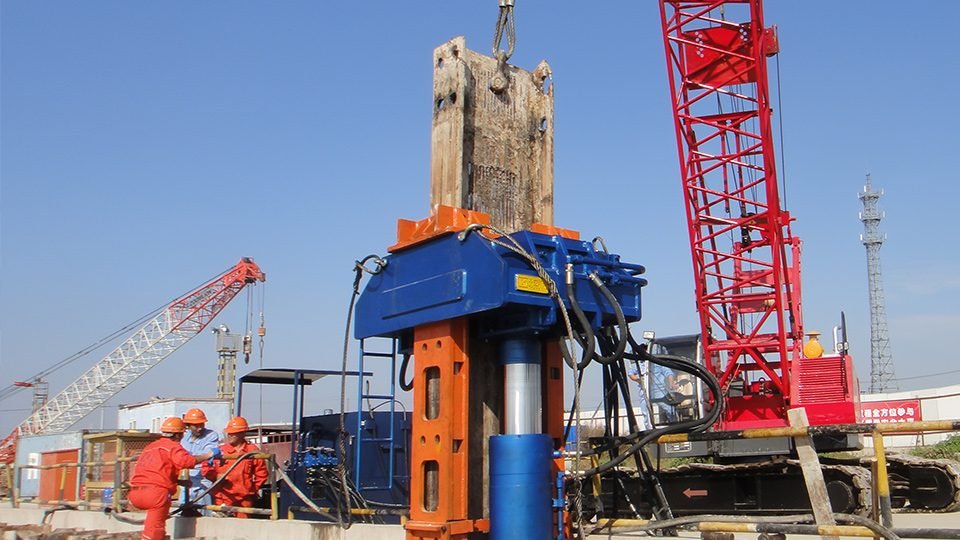
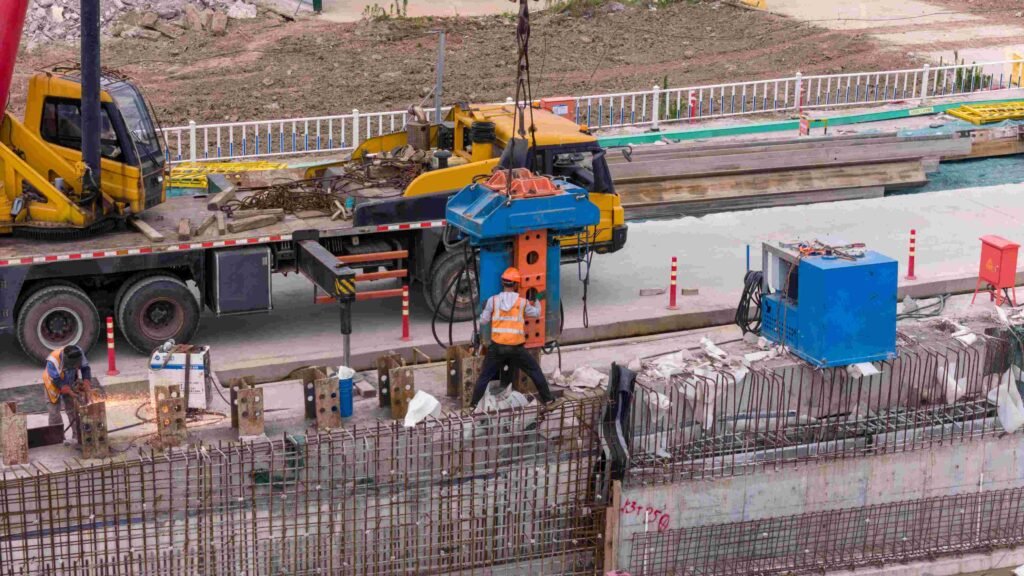
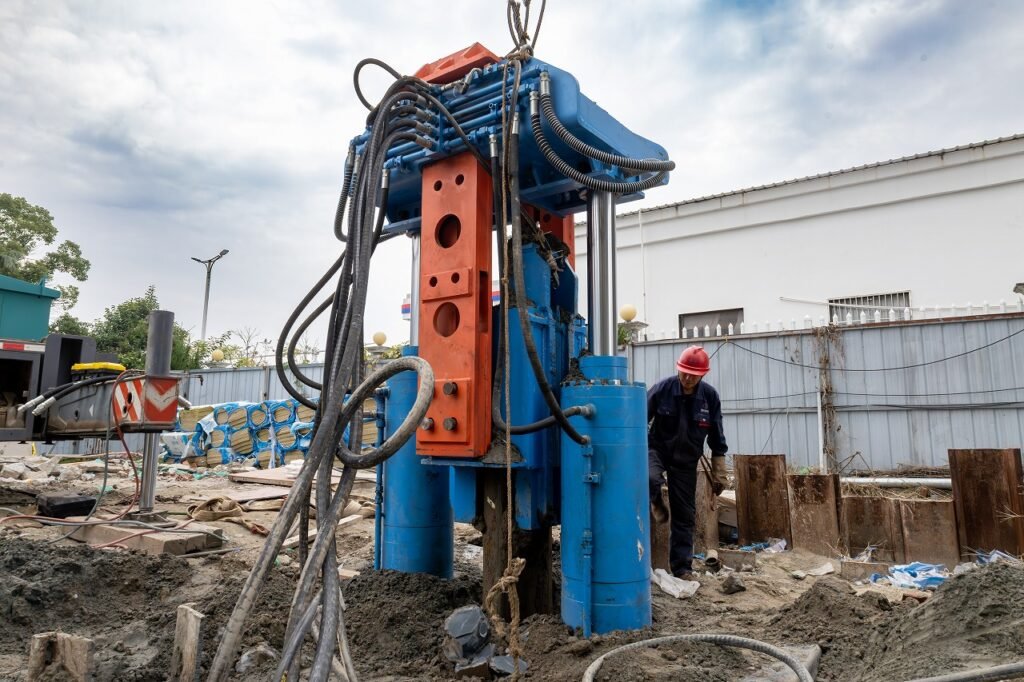
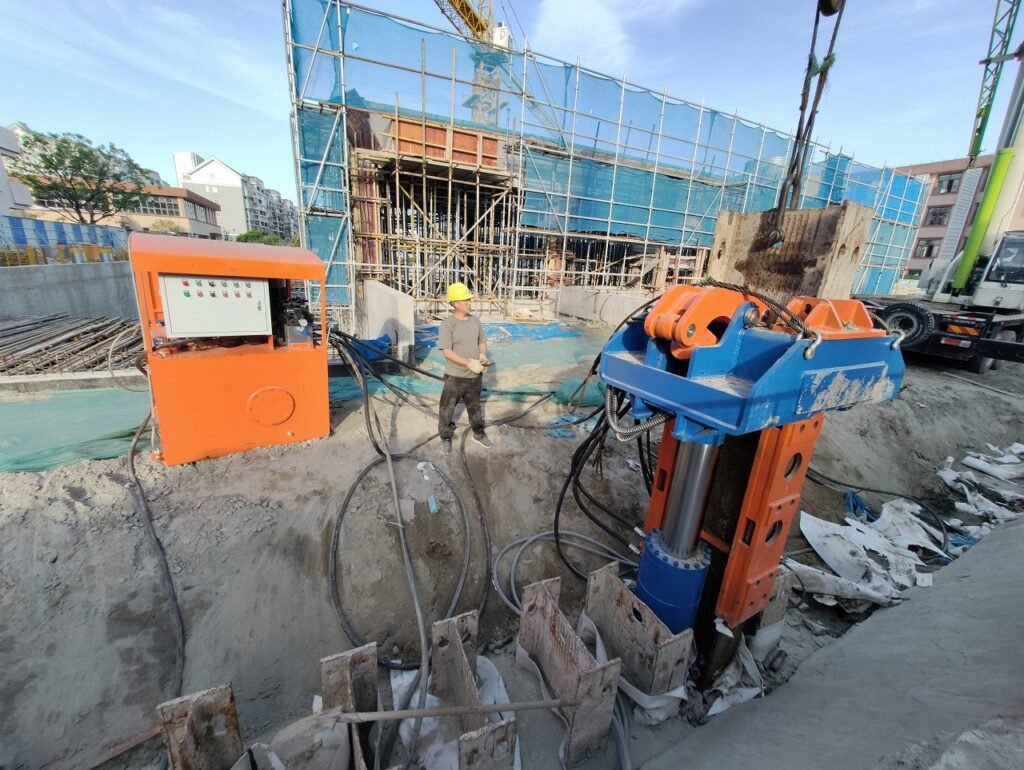
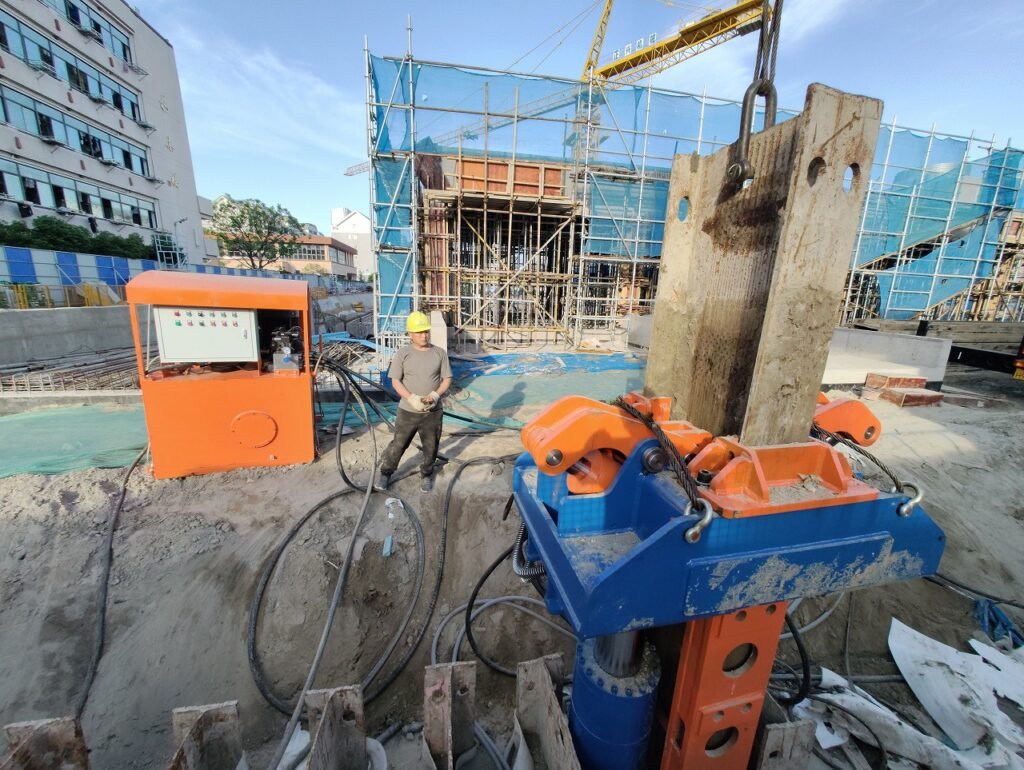
In municipal construction, tunnel engineering, foundation pit support, and renovation of old buildings, the vertical hydraulic pile extractor has become a crucial piece of equipment for removing H-beams and steel sheet piles thanks to its strong adaptability and efficient performance.
For construction companies, understanding the price of vertical hydraulic pile extractors is an important part of project cost planning. Equipment pricing varies significantly depending on multiple factors such as model specifications, hydraulic power, configuration, brand reputation, and market conditions.
This article analyzes the 2026 market price range, key pricing factors, and purchasing considerations for vertical hydraulic pile extractors to help industry professionals make informed decisions.
2026 Vertical Hydraulic Pile Extractor Price Range
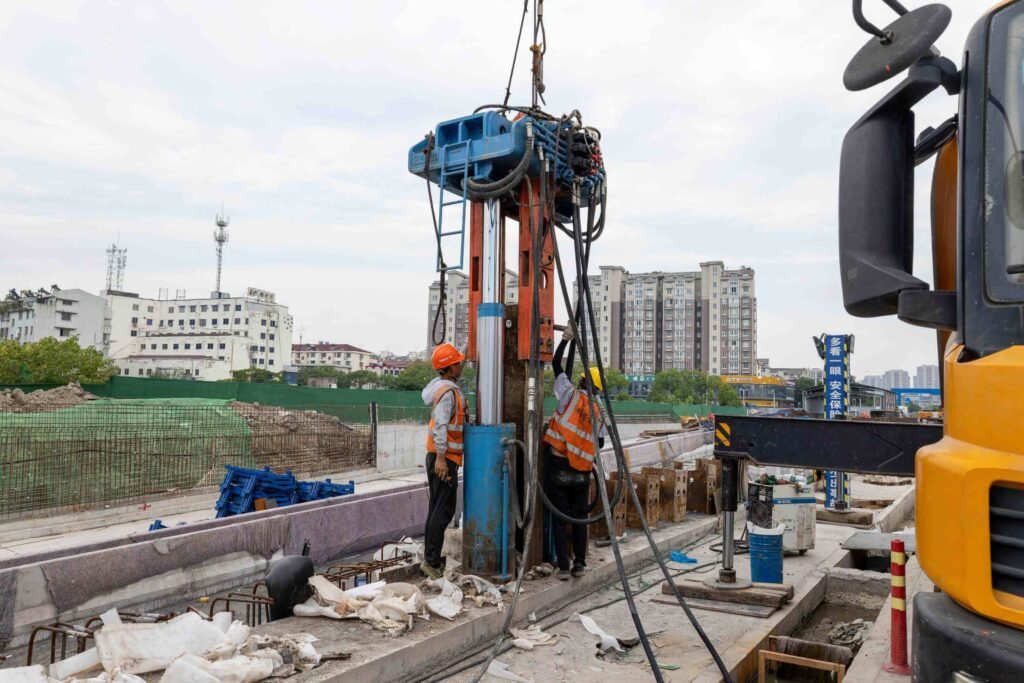
Due to differences in model size, performance capacity, brand positioning, and configuration, the price of vertical hydraulic pile extractors varies widely. Based on current market quotations and industry data, the market can generally be divided into three main price segments.
Entry-Level Vertical Hydraulic Pile Extractors (Small Models)
Entry-level models are mainly used for small municipal projects, pipeline installations, and light foundation pit support work.
These machines usually feature:
- Lower pulling force
- Compatibility with H-beams under 500 mm or light steel sheet piles
- Compact integrated structure
- Easy operation and convenient transportation
Market prices typically range between RMB 80,000 and RMB 250,000 per unit.
For example, some lightweight emergency flood-control pile extractors are priced around RMB 80,000, while certain domestic manufacturers offer bulk purchase discounts, reducing prices for entry-level models to approximately RMB 209,000 per unit or lower.
Mid-Range Vertical Hydraulic Pile Extractors (Mainstream Models)
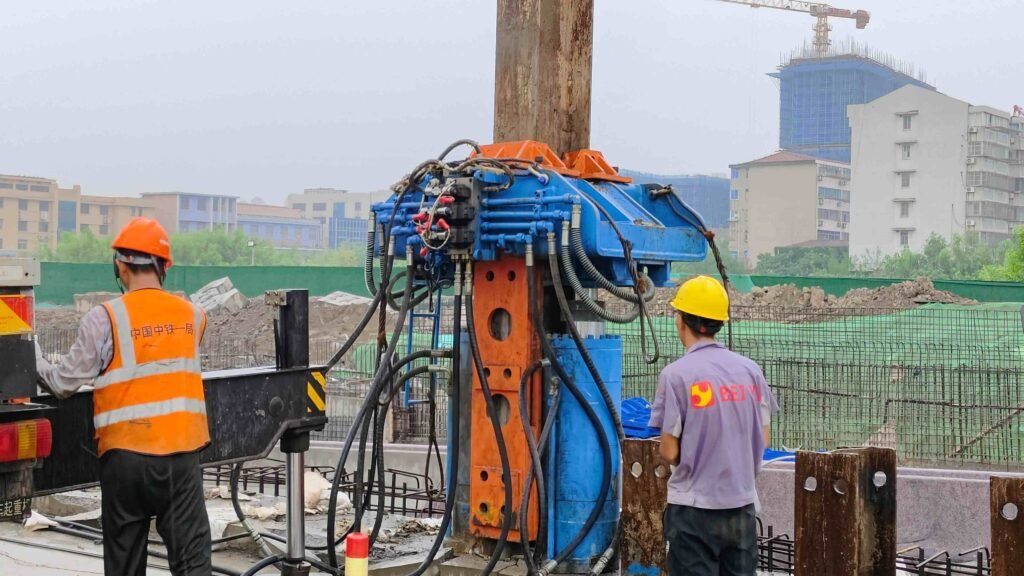
Mid-range machines represent the mainstream market segment and are suitable for most medium-scale construction projects.
Typical features include:
- Compatibility with 500–800 mm H-beams
- Dual-stage hydraulic cylinders
- Adjustable extraction speed
- Wireless remote control operation
- Improved hydraulic system stability for continuous operation
The price range for these models is generally RMB 250,000 to RMB 1.2 million per unit.
Most standard configurations are priced between RMB 300,000 and RMB 800,000, while models equipped with advanced features such as automatic positioning and hydraulic lifting systems can reach RMB 800,000 to RMB 1.2 million.
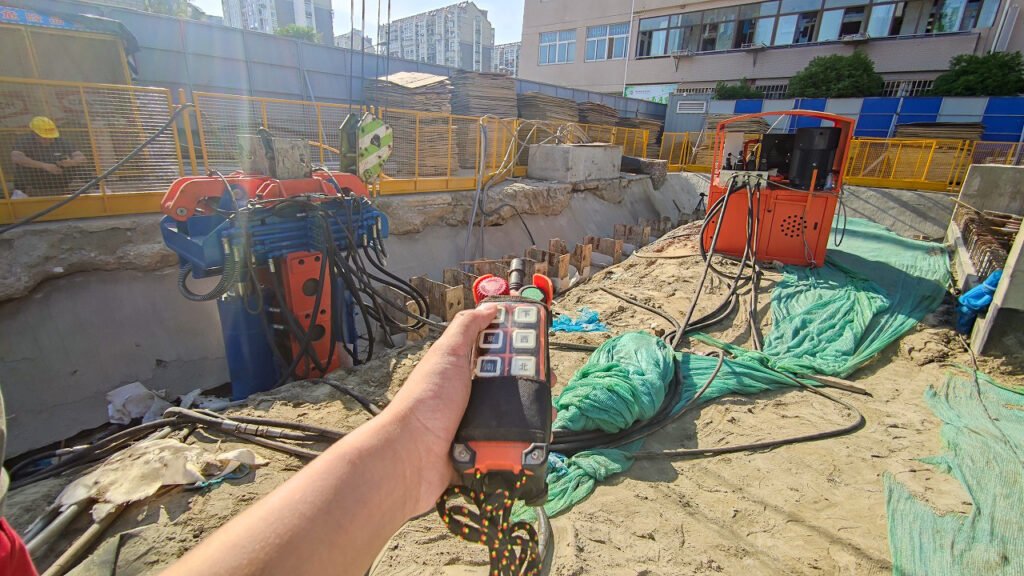
High-End Vertical Hydraulic Pile Extractors (Large Models)
High-end models are designed for large-scale bridge construction, offshore wind power projects, and complex foundation pit engineering.
These machines feature:
- Stronger extraction force
- Compatibility with H-beams above 900 mm
- Intelligent control systems
- Beidou/GPS positioning systems
- Automatic vertical alignment correction
- Custom engineering configurations for special environments
Prices typically start from RMB 1.2 million and above, while machines using imported core hydraulic components may reach RMB 2 million to RMB 3 million.
For instance, some large vertical hydraulic pile extractors equipped with Bosch Rexroth hydraulic systems are priced around RMB 2.7–2.8 million.
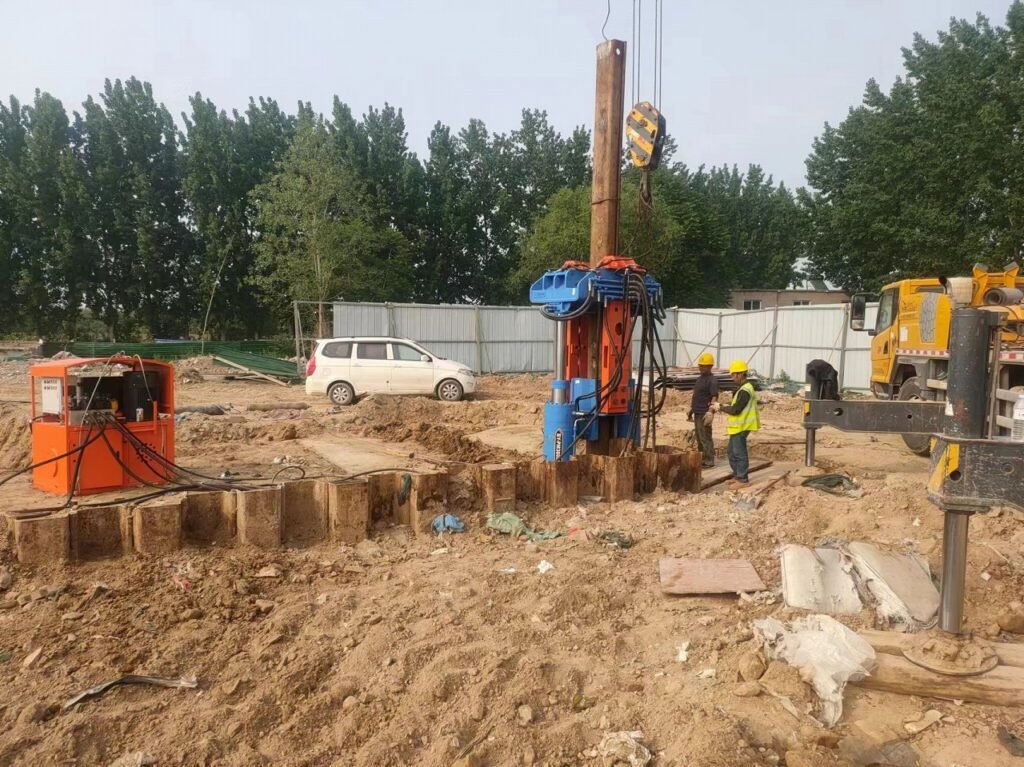
Key Factors Affecting Vertical Hydraulic Pile Extractor Prices
The price of vertical hydraulic pile extractors is influenced by several key factors including equipment performance, configuration, brand reputation, and market conditions.
Equipment Performance and Model Specifications
Performance parameters are the most important factors affecting equipment pricing.
Key indicators include:
- Extraction force
- Compatible pile specifications
- Operational efficiency
Higher pulling force requires stronger hydraulic systems, cylinders, and structural components, which significantly increases manufacturing costs.
Customized machines designed for larger H-beam sizes may cost 30%–50% more than standard models.
Additional features such as dual-cylinder systems and adjustable speed control can further increase prices by 10%–20%.
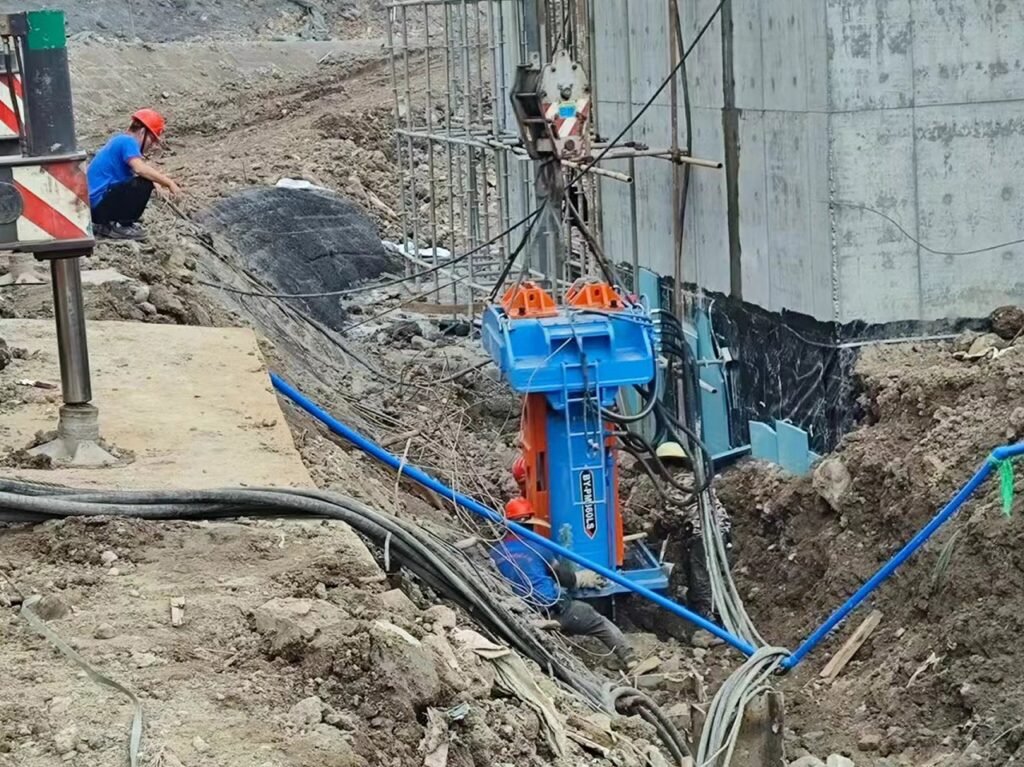
Core Components and Technical Configuration
Differences in technical configuration can lead to significant price variations.
Basic configurations typically meet standard extraction requirements, while higher-end machines may include:
- Wireless remote control systems
- Automatic positioning technology
- IoT sensors for equipment monitoring
- Intelligent fault detection systems
These advanced technologies increase equipment cost.
Furthermore, the brand of hydraulic components plays a significant role in pricing. Machines equipped with hydraulic systems from Kawasaki or Bosch Rexroth may cost 20%–40% more than those using domestic components, but they usually offer better stability and longer service life.
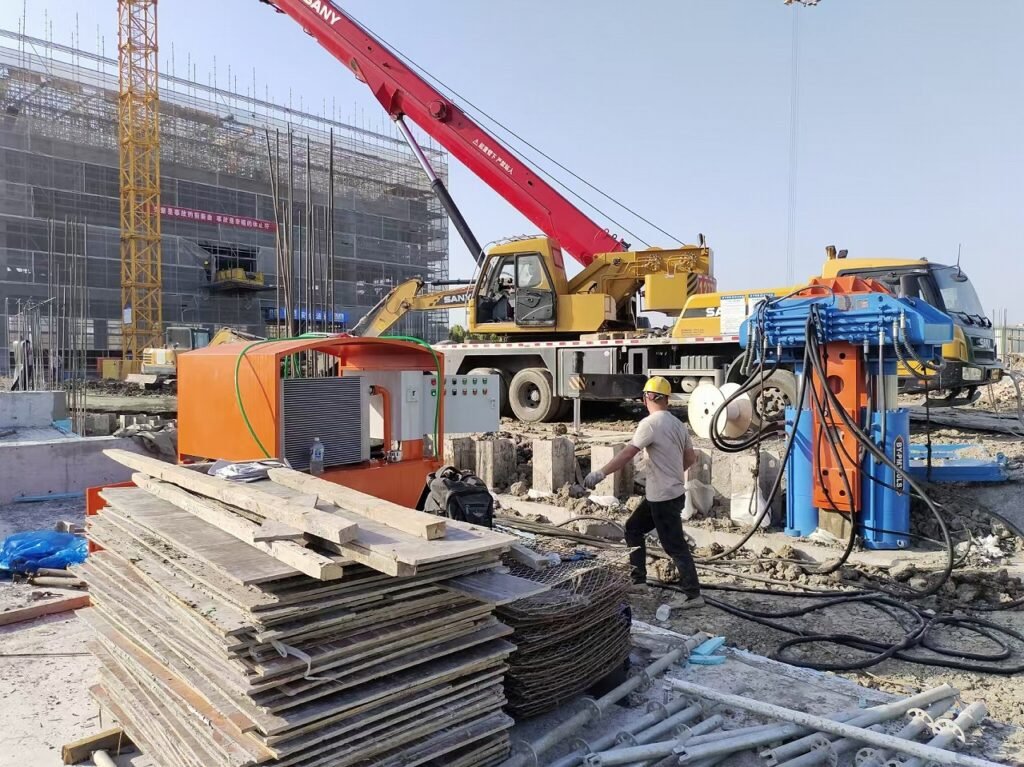
Brand and Manufacturer
Brand reputation and manufacturing capability also influence pricing.
International brands often charge over 50% more than domestic machines due to technological advantages and brand value.
Leading Chinese manufacturers such as XCMG and SANY typically price their machines 15%–30% higher than smaller domestic brands, reflecting stronger quality control and after-sales service systems.
While smaller manufacturers may offer lower prices, buyers should carefully evaluate component quality and service support to avoid hidden long-term costs.
Purchase Volume and Cooperation Model
Bulk purchasing can significantly reduce equipment prices.
Manufacturers often provide 10%–15% discounts for orders of five units or more, and long-term strategic partners may receive customized services and better pricing.
Alternatively, some contractors prefer equipment rental.
Typical rental prices are:
- Daily rental: RMB 1,000 – RMB 5,000
- Monthly rental: RMB 20,000 – RMB 80,000
Short-term projects may benefit from rental solutions, while long-term construction operations often justify direct equipment purchases.
Regional and Market Conditions
Regional factors such as transportation costs and labor expenses can affect equipment prices.
Projects in remote areas may see prices increase by 5%–10% due to higher logistics costs.
Market supply and demand also influence pricing trends. With the continued expansion of infrastructure construction and stricter environmental regulations, demand for hydraulic pile extractors is rising, which may cause temporary price increases for popular models.
Fluctuations in raw material prices, especially steel and hydraulic components, can also impact equipment costs. For example, the rise in steel prices in 2021 once pushed average equipment prices up by approximately 12%.
2026 Buying Guide for Vertical Hydraulic Pile Extractors
When selecting a vertical hydraulic pile extractor, contractors should carefully evaluate project requirements, budget constraints, and long-term maintenance considerations.
Match Equipment with Project Requirements
Choose equipment based on:
- Pile type and size
- Geological conditions
- Construction timeline
For smaller projects, entry-level or mid-range models are usually sufficient.
However, large-scale or technically demanding projects require machines with higher extraction force and greater adaptability, and custom engineering solutions may sometimes be necessary.
Balance Quality and Budget
It is advisable to choose manufacturers with strong reputations and reliable after-sales service.
Mid-range machines from well-established domestic brands often provide the best balance between performance and price.
For projects requiring higher precision and reliability, machines with imported core components but domestic assembly may offer a good compromise between cost and performance.
Maintenance cost should also be considered. Equipment with easily available spare parts and responsive service support helps reduce long-term operational expenses.
Pay Attention to Market Trends and Policy Support
From 2025 to 2030, the hydraulic pile extractor market is expected to experience structural growth, with intelligent and environmentally friendly equipment becoming the main development trend.
Machines equipped with electric drive systems and smart control technology may command price premiums of over 30%.
Construction companies should consider equipment with future upgrade potential to avoid rapid technological obsolescence.
Additionally, infrastructure development policies in some regions provide subsidies for equipment purchases, which can help reduce procurement costs.
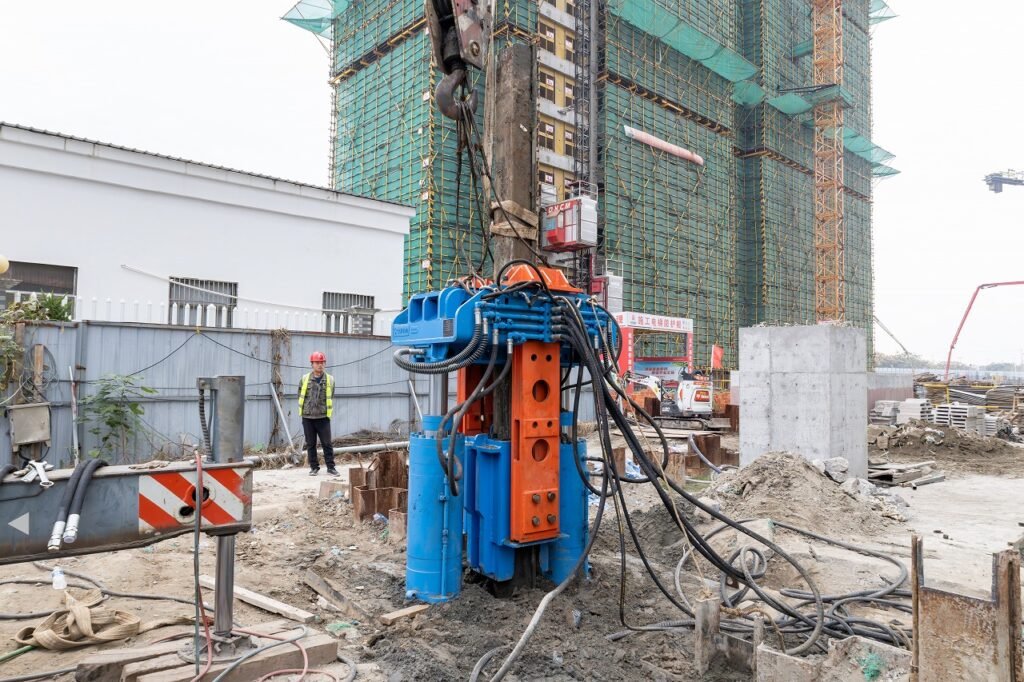
The price of vertical hydraulic pile extractors varies widely, ranging from RMB 80,000 to RMB 3 million, depending on configuration, performance, and brand.
In 2026, with the continued expansion of infrastructure construction and technological advancements, mid-range machines will remain the dominant market segment, while intelligent equipment will gradually gain popularity.
Construction companies are advised to conduct thorough market research, clearly define performance requirements, and balance quality, price, and service support when selecting equipment.
For accurate quotations and equipment selection guidance, consulting professional equipment manufacturers and developing customized solutions based on specific project requirements is recommended.