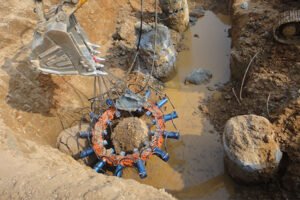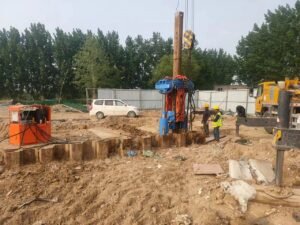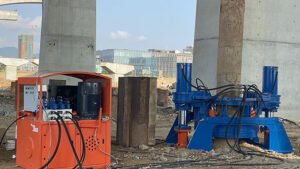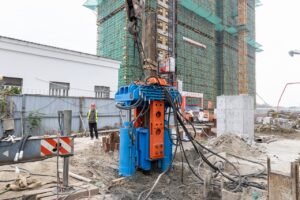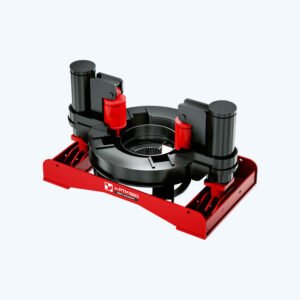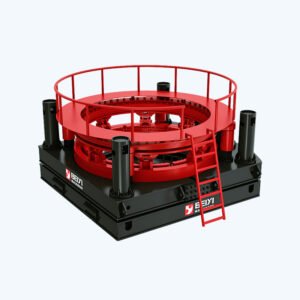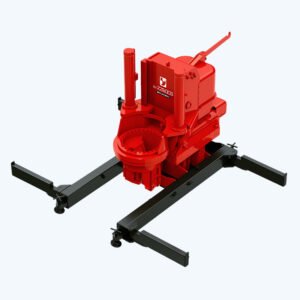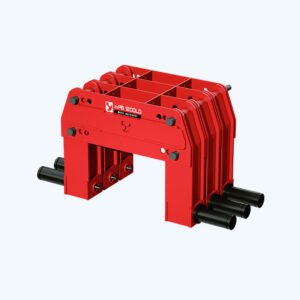
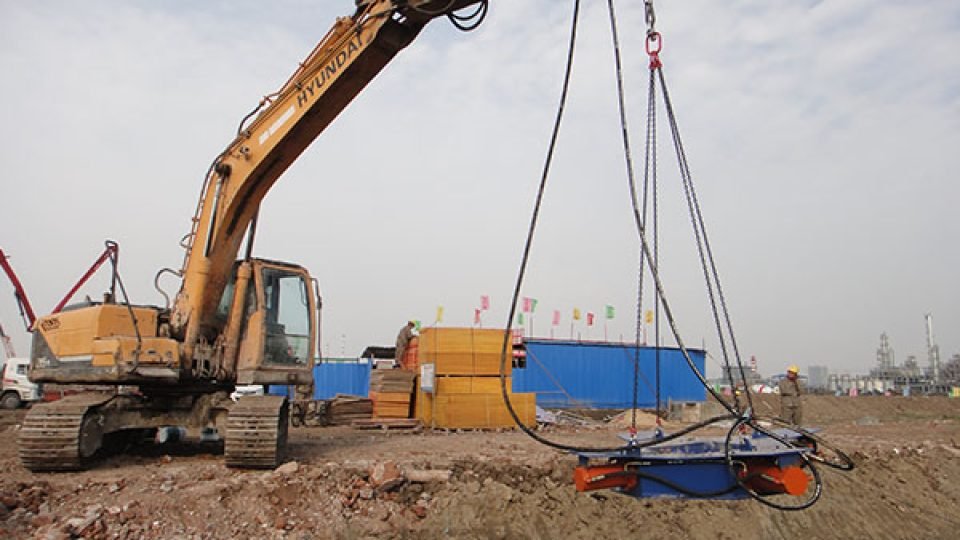
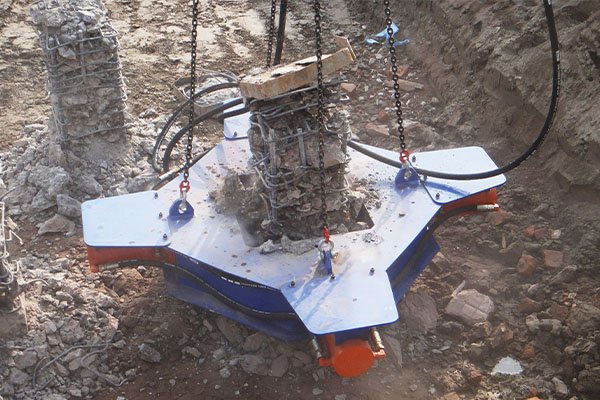
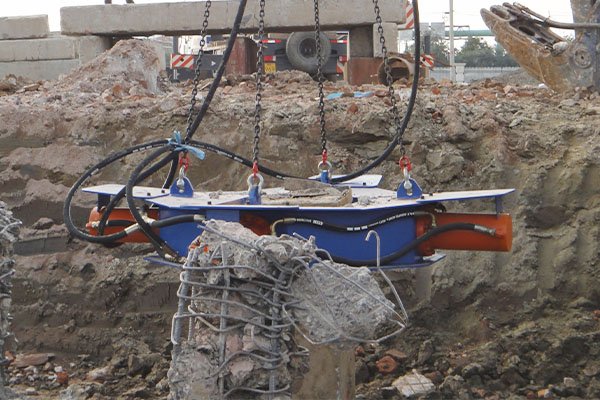
In foundation construction projects, the square pile breaker is a key piece of equipment used to remove concrete square pile heads. The price range of this equipment varies widely, from several thousand yuan to hundreds of thousands of yuan depending on configuration and specifications. Many contractors find it difficult to choose the right equipment because they are unfamiliar with the factors that influence pricing.
This article analyzes the key factors affecting the price of square pile breakers and reviews current market trends to help construction companies better control procurement costs.
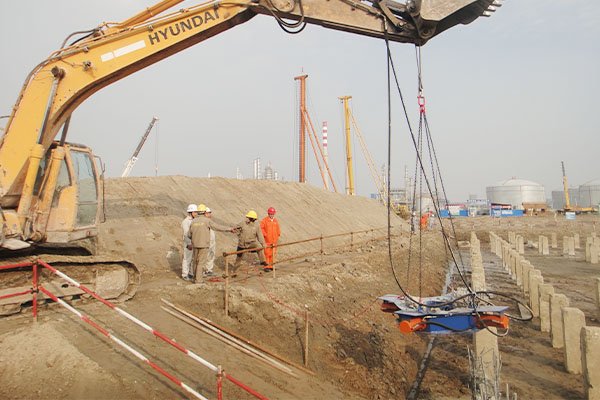
Core Specifications: The Fundamental Factors Determining Price
The specifications of a square pile breaker directly affect manufacturing costs and application scenarios, making them the primary basis for pricing.
1. Compatible Pile Size and Module Configuration
Most square pile breakers adopt a modular design, allowing different pile sizes to be handled by adjusting the number of modules. The common applicable pile size range is 350 mm to 800 mm.
The larger the pile size, the more modules are required, which increases the overall equipment cost.
For example:
- Equipment designed for 400 mm square piles usually requires fewer modules, with prices typically ranging from ¥11,500 to ¥18,000.
- Equipment designed for 650 mm or larger piles requires more modules and stronger structures, with prices usually between ¥45,000 and ¥58,000.
Module design varies between manufacturers. Some machines require 13 modules to break a 1.5-meter pile head, while others may require 15 modules. Even if the individual module price is lower, the total equipment cost may actually be higher.
2. Quality of Core Components and Manufacturing Process
The materials and manufacturing processes of key components significantly affect equipment pricing.
Critical parts such as:
- Breaking rods
- Hydraulic pumps
- Sealing components
directly determine the service life and operational stability of the machine.
Breaking rods produced using precision heat-treatment processes and wear-resistant materials can withstand high-frequency loads, which typically increases equipment cost by 30–50% compared with standard materials.
Additionally, module weight and rod stroke length also influence pricing. Heavier modules with optimized rod stroke usually involve higher manufacturing costs and therefore lead to higher overall equipment prices.
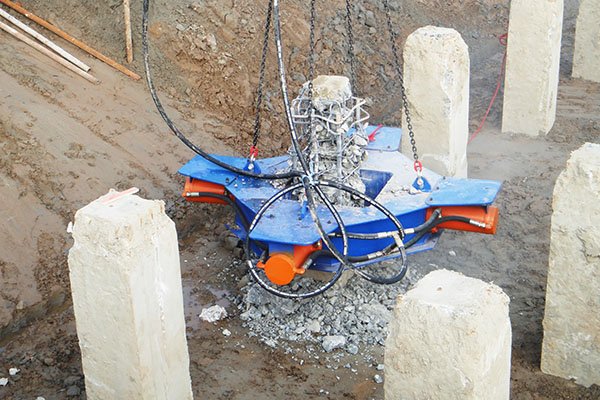
Brand and Production Model: Key Variables Affecting Price
Different brands and sales models can result in significant price differences even for equipment with similar specifications.
1. Brand Reputation and Service Support
Established brands with years of industry experience typically offer higher-priced equipment due to their mature manufacturing technology and reliable after-sales service.
Their equipment has been proven in real projects and often includes services such as:
- On-site installation support
- Regular maintenance services
- Spare parts supply
- Warranty coverage (often up to one year)
These benefits reduce operational risks and long-term costs.
In contrast, smaller brands may offer equipment at significantly lower prices, sometimes only several thousand yuan, but often lack stable spare-parts supply and reliable after-sales service, which may lead to higher long-term operating costs.
2. Sales Channels and Purchase Quantity
Purchasing directly from manufacturers can eliminate intermediary costs, making prices 10–20% lower than dealer prices.
For example:
- Manufacturer price: ¥45,000 per unit
- Dealer price: around ¥55,000
Bulk purchases can also reduce costs. When purchasing 8 units or more, manufacturers often provide discounts, reducing the unit price from ¥45,000 to about ¥38,000.
Online platforms such as Alibaba or Taobao may offer small-batch wholesale options ranging from ¥5,000 to ¥13,000, which are suitable for small construction teams purchasing basic equipment.
Market Supply and Cost Fluctuations: External Price Drivers
Square pile breaker prices are also affected by market demand and upstream material costs, which can cause periodic fluctuations.
1. Changes in Market Demand
When construction activity increases and demand for pile foundation work rises, equipment supply may become tight, causing prices to increase by 5–8%.
During the off-season, manufacturers may reduce prices to clear inventory, sometimes offering discounts of up to 15%.
In recent years, the number of domestic manufacturers has increased, intensifying market competition. As a result, the overall average price has shown a gradual decline, with the industry average price in 2025 dropping by about 18% compared with 2022.
2. Raw Material and Supply Chain Costs
Fluctuations in the price of materials such as steel and rare-earth magnetic materials directly affect manufacturing costs.
It is expected that the rising price of rare-earth materials in 2026 may increase equipment prices by approximately 5–8%.
In addition, changes in logistics costs and labor expenses can also affect final equipment pricing. Contractors located in remote areas may need to pay additional transportation costs.
Purchasing Recommendations: Balancing Price and Practical Needs
When purchasing a square pile breaker, contractors should not focus solely on low price. Instead, they should balance cost with practical performance requirements.
Recommended considerations include:
- Select equipment specifications based on the pile sizes commonly used in your projects. Avoid purchasing oversized equipment that increases costs unnecessarily.
- Prioritize brands that offer reliable after-sales service and spare-parts support, even if the price is slightly higher.
- For bulk purchases, negotiate directly with manufacturers and confirm warranty terms, spare-parts availability, and delivery schedules.
The price of square pile breakers is influenced by multiple factors, including technical specifications, brand reputation, and market supply conditions.
Before purchasing equipment, contractors should carefully evaluate project requirements and market conditions to determine the most suitable option. Avoid both low-price traps and over-specification, and focus on selecting equipment that offers the best balance between cost and performance.
A well-informed purchasing decision will ensure efficient pile head removal and support the successful completion of foundation construction projects.