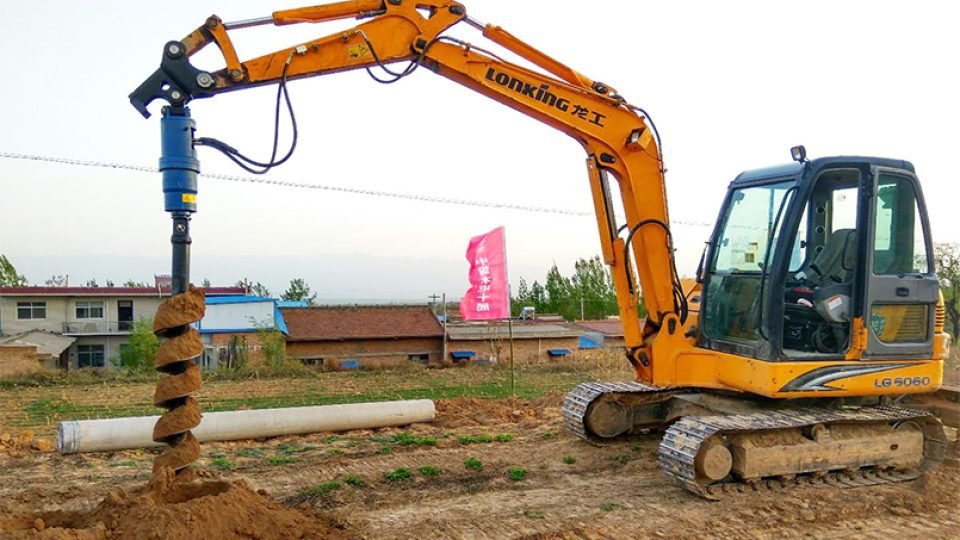
Auger drilling rigs are essential equipment in foundation construction, pile drilling, and photovoltaic pile installation projects. Operating in outdoor and complex geological environments, component wear and system abnormalities are inevitable over time.
Scientific maintenance reduces downtime, extends equipment lifespan, and lowers operational costs.
This article summarizes frequently encountered maintenance issues in auger drilling rigs and provides practical solutions for operators and maintenance personnel.
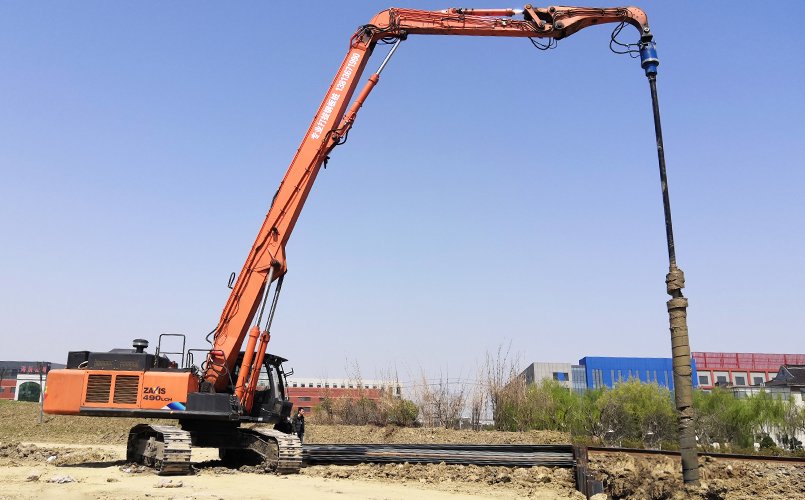
Starting System Issues and Solutions
Starting failures are often related to insufficient maintenance. Common issues include:
1. Weak or Failed Starting
Cause: Low battery charge or oxidized/loose terminals.
Solution:
- Regularly check battery voltage.
- Recharge weekly if the equipment is idle for long periods.
- Clean oxidized terminals and tighten connections.
2. Engine Vibration During Startup
Cause: Blocked fuel filter or carbon buildup in injectors.
Solution:
- Replace fuel filters according to maintenance schedule.
- Clean injectors periodically.
- Use fuel with correct specifications.
3. Engine Stalls After Starting
Cause: Clogged air filter restricting airflow.
Solution:
- Shorten cleaning cycles in dusty environments.
- Replace damaged or severely clogged filters promptly.
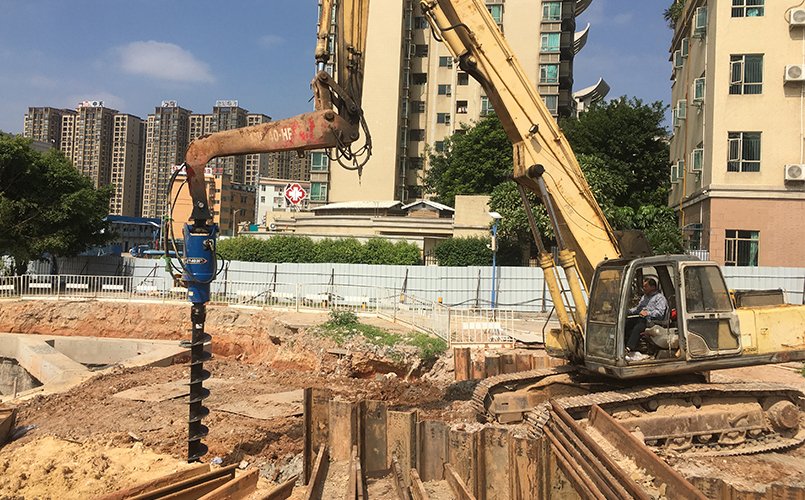
Hydraulic System Maintenance
The hydraulic system is the power core of the auger drilling rig.
1. Abnormally High Hydraulic Oil Temperature
Possible Causes:
- Low oil level
- Blocked radiator
- Oil deterioration
Solutions:
- Check oil level regularly.
- Clean radiator surfaces.
- Replace hydraulic oil at recommended intervals.
2. Slow or Unresponsive Hydraulic Action
Possible Causes:
- Worn hydraulic pump
- Incorrect relief valve pressure
Solutions:
- Test system pressure.
- Adjust relief valve within specified range.
- Avoid mixing hydraulic oil types.
- Replace hydraulic filters regularly.
3. Hydraulic Pipe Leakage
Cause: Loose fittings or aging seals.
Solution:
- Tighten connections.
- Replace worn seals.
- Apply sealing compound where necessary.
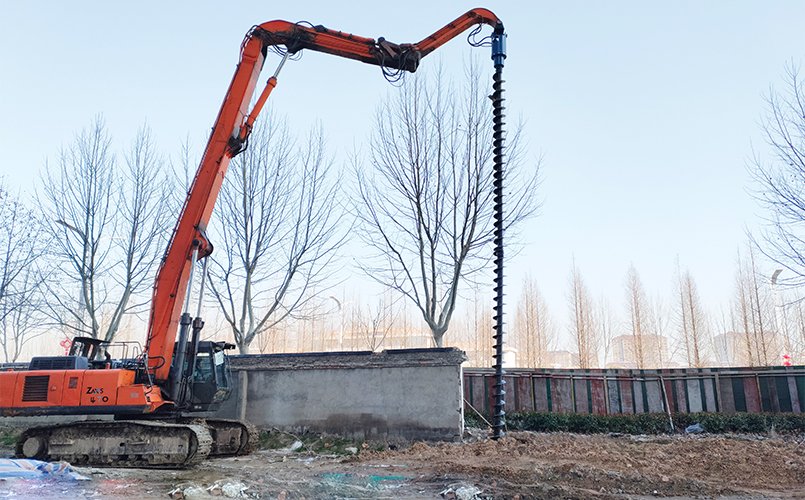
Drill Rod and Drill Bit Maintenance
These components experience high wear due to direct contact with soil and rock.
1. Drill Rod Bending
Cause: Uneven stress or misalignment.
Solution:
- Maintain vertical drilling alignment.
- Inspect rod straightness after operation.
- Repair minor deformation; replace severely damaged rods.
2. Drill Bit Blade Wear
Cause: Operation in hard geological formations.
Solution:
- Measure blade thickness regularly.
- Perform welding reinforcement or replacement when needed.
- Clean debris after each operation.
3. Joint Seizure at Drill Rod Connections
Cause: Debris blockage or corrosion.
Solution:
- Clean joints after operation.
- Apply grease to reduce friction.
- Apply anti-rust oil during long-term storage.
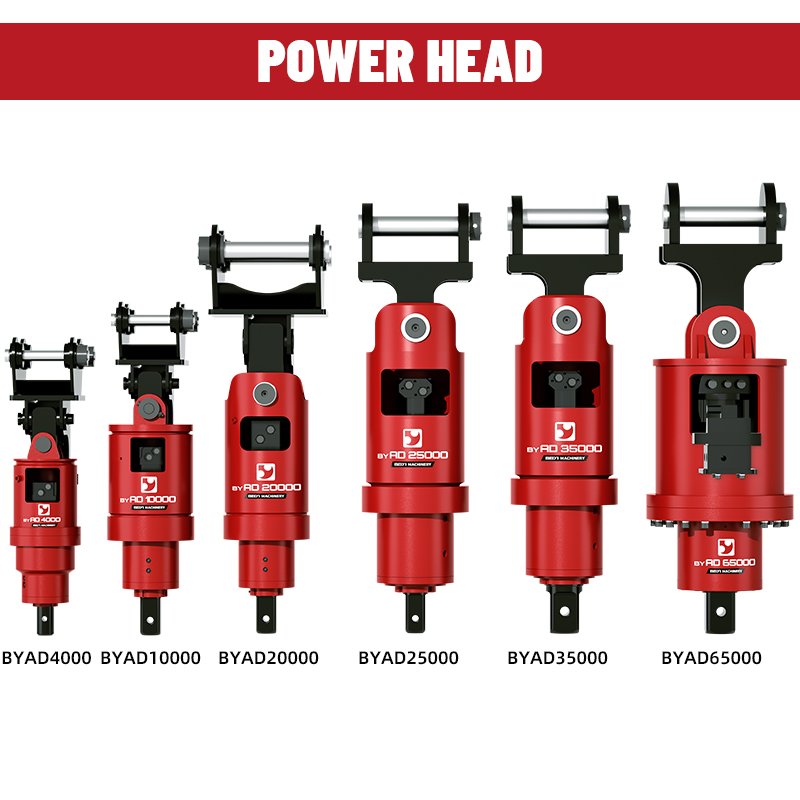
Power Head and Transmission Components
1. Abnormal Noise from Power Head
Cause: Bearing wear or excessive gear clearance.
Solution:
- Stop operation immediately.
- Inspect and replace worn components.
- Maintain proper gear oil lubrication.
2. Chain or Belt Slippage
Cause: Wear and elongation.
Solution:
- Adjust tension regularly.
- Replace rusted or cracked components.
3. Gearbox Oil Leakage
Cause: Seal aging or insufficient oil.
Solution:
- Replace seals.
- Change gear oil periodically.
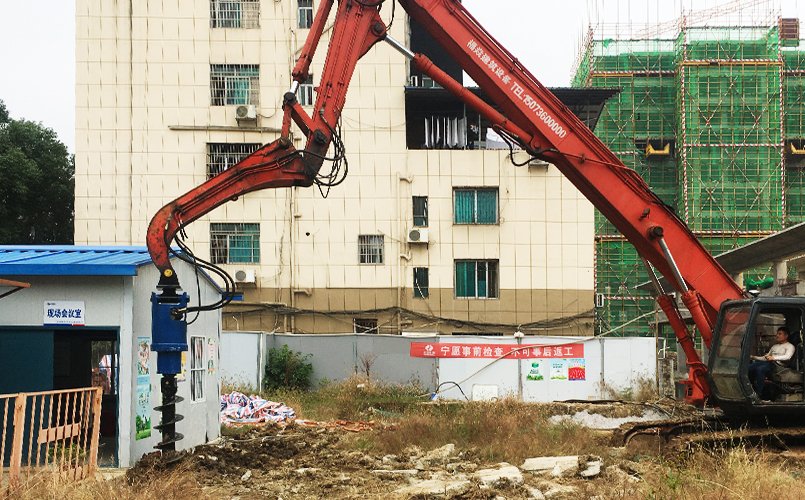
Undercarriage and Travel System Maintenance
1. Track Misalignment or Jamming
Cause: Worn guide wheels or incorrect tension.
Solution:
- Adjust track tension.
- Remove debris.
- Replace worn rollers.
2. Tire Damage (Wheeled Models)
Cause: Sharp debris.
Solution:
- Check tire pressure.
- Repair or replace damaged tires promptly.
3. Loose Chassis Bolts
Cause: Long-term vibration.
Solution:
- Tighten bolts regularly.
- Inspect frame and suspension connections.
General Maintenance Recommendations
Maintain cleanliness during servicing to prevent contamination.
Establish daily, weekly, monthly, and annual maintenance plans.
Keep maintenance records for traceability.
Adjust maintenance frequency according to climate conditions.
Use original or compatible parts during replacement.